
Automated Production of Suits Brings a Soul Upgrade to Suit Craftsmanship
author: Lily Shen
2024-11-27
The suit is an essential piece of clothing in any man's wardrobe, and the art of suit making has been around for centuries. But with the advancement of technology, automated machines are now used in the production of suits. Automated machines like pocket welt machines, non-iron bag folding machines, hemming pants machines, computerized sleeve machines, and buttonhole machines, are bringing a new level of precision and detail to suit craftsmanship. In this article, we'll take a closer look at how these machines work and what advantages they bring to the art of making a suit. Sewing a suit is a complex process. It involves sewing pockets, creating lapels, attaching sleeves to armholes, and making shoulder pads, among other things. With an automatic sewing machine, these processes are done with accuracy and precision, ensuring that the finished product looks perfect and fits well. The pocket welt machine, for example, uses a computerized system to sew pockets with precise measurements. The non-iron bag folding machine is used to create the bag inside the jacket, which is a critical part of the construction of the jacket. The hemming pants machine ensures pants are hemmed correctly to the desired length. The computerized sleeve machine revolutionizes the process of attaching sleeves to the jacket. It uses precise measurements to ensure the sleeves fit perfectly to the armhole, making it comfortable to move around. The lining machine is also automated, ensuring the lining fits perfectly to the jacket. Shoulder pads are a critical part of a suit's design, giving the jacket shape and structure. The automatic shoulder pad machine creates pads with consistency. The buttonhole machine is also automated and ensures that the jacket's buttonholes are sewn with precision. In conclusion, automated machines have brought a new level of precision and detail to suit craftsmanship. While some people may argue that the use of automated machines takes the soul out of suit making, it's essential to recognize that they bring advantages that can't be ignored. They help designers make suits with better fit, improved structure, and excellent finishes, all essential elements of a well-made suit.

Chest lining is an important part of suits. It not only determines the stiffness and three-dimensional sense of suits, but also affects the comfort of wearing. The production of chest lining includes the steps of dart collection, combination, return and cooling and shaping:
Dart collection: The chest lining fabric is processed according to the design requirements to make it conform to the human body curve.
Combination: The parts of the chest lining are combined to form a complete chest lining structure.
Return and pull: Through ironing and stretching, the chest lining fabric conforms to the human body curve and increases the three-dimensional sense.
Cooling and shaping: The chest lining after return and pull is cooled to keep it in a stable shape.
The material and manufacturing process of the chest lining have an important impact on the quality of the suit. Common chest lining materials include black carbon lining, horsetail lining and chest velvet, etc. The combination of these materials can improve the stiffness and comfort of the suit.
KWONGLAM has professional dart collection machines and dart machines for dart processing, which can be processed according to design requirements to make it conform to the human body curve.
Dart collection: The chest lining fabric is processed according to the design requirements to make it conform to the human body curve.
Combination: The parts of the chest lining are combined to form a complete chest lining structure.
Return and pull: Through ironing and stretching, the chest lining fabric conforms to the human body curve and increases the three-dimensional sense.
Cooling and shaping: The chest lining after return and pull is cooled to keep it in a stable shape.
The material and manufacturing process of the chest lining have an important impact on the quality of the suit. Common chest lining materials include black carbon lining, horsetail lining and chest velvet, etc. The combination of these materials can improve the stiffness and comfort of the suit.
KWONGLAM has professional dart collection machines and dart machines for dart processing, which can be processed according to design requirements to make it conform to the human body curve.


The front and back piece process is the core part of suit making, including the front piece process and the back piece process.
Front piece process:
Darting: The front piece fabric is darted according to the design requirements to make it conform to the human body curve.
Combined side pieces: The front piece and the side piece are sewn together.
Front piece push door (return and pull process): Through ironing and stretching, the front piece fabric is made to conform to the human body curve and increase the three-dimensional sense.
Make big bags and hand towel pockets: Make pockets on the front piece, including big bags and hand towel pockets.
Lining darts: The lining is darted to make it conform to the human body curve.
Hanging process: The hanging surface is sewn together with the front piece to form the placket part of the suit.
Opening inner pockets: The inner pocket is made on the lining.
Composite chest lining, composite drawstring, composite hanging surface: The chest lining, drawstring and hanging surface are composited to ensure that all parts are tightly combined.
Folding the edge of the front piece and the hanging surface to form a neat stop.
Back piece process:
Sewing the center line of the back: sew the center line of the back piece together.
Putting the back piece together: ironing and stretching the back piece to make the back piece fabric fit the human body curve.
Splitting the back seam: splitting the back seam to increase the three-dimensional effect.
Pulling the armhole drawstring: pulling the drawstring at the armhole to increase the stiffness of the suit.
Making the back slit: making a slit in the back piece for easy wearing and movement.
Making the back piece lining: sew the back piece lining and the back piece together.
The front and back piece process requires fine processing to ensure that all parts are closely combined to form a neat and stiff suit appearance.
KWONGLAM can do fine processing in both the front piece pocket making and the back piece decorative pocket, ensuring that all parts are closely combined to form a neat and stiff suit appearance.
Front piece process:
Darting: The front piece fabric is darted according to the design requirements to make it conform to the human body curve.
Combined side pieces: The front piece and the side piece are sewn together.
Front piece push door (return and pull process): Through ironing and stretching, the front piece fabric is made to conform to the human body curve and increase the three-dimensional sense.
Make big bags and hand towel pockets: Make pockets on the front piece, including big bags and hand towel pockets.
Lining darts: The lining is darted to make it conform to the human body curve.
Hanging process: The hanging surface is sewn together with the front piece to form the placket part of the suit.
Opening inner pockets: The inner pocket is made on the lining.
Composite chest lining, composite drawstring, composite hanging surface: The chest lining, drawstring and hanging surface are composited to ensure that all parts are tightly combined.
Folding the edge of the front piece and the hanging surface to form a neat stop.
Back piece process:
Sewing the center line of the back: sew the center line of the back piece together.
Putting the back piece together: ironing and stretching the back piece to make the back piece fabric fit the human body curve.
Splitting the back seam: splitting the back seam to increase the three-dimensional effect.
Pulling the armhole drawstring: pulling the drawstring at the armhole to increase the stiffness of the suit.
Making the back slit: making a slit in the back piece for easy wearing and movement.
Making the back piece lining: sew the back piece lining and the back piece together.
The front and back piece process requires fine processing to ensure that all parts are closely combined to form a neat and stiff suit appearance.
KWONGLAM can do fine processing in both the front piece pocket making and the back piece decorative pocket, ensuring that all parts are closely combined to form a neat and stiff suit appearance.

Sleeve making and collar fitting are key parts in suit making. They not only affect the appearance of the suit, but also determine the comfort and beauty of wearing.
Sleeve making process:
Cutting sleeve pieces: Cut sleeve pieces according to design requirements, including sleeve pieces, cuff lines, sleeve elbow lines, etc.
Making elastic sleeve lining: Make elastic sleeve lining in the sleeve piece to increase the stiffness and comfort of the sleeve.
Sewing sleeve pieces: Sewing the various parts of the sleeve piece together to form a complete sleeve.
Collar fitting process:
Cutting collar pieces: Cut collar pieces according to design requirements, including collar surface, collar lining, etc.
Sewing collar pieces: Sewing the various parts of the collar piece together to form a complete collar.
Collar fitting: Sewing the collar with the front piece together to form the collar of the suit.
The sleeve making and collar fitting process requires fineness to ensure that all parts are closely combined to form a neat and stiff suit appearance. At the same time, these processes also increase the three-dimensional sense and beauty of the suit.


Sleeve making process:
Cutting sleeve pieces: Cut sleeve pieces according to design requirements, including sleeve pieces, cuff lines, sleeve elbow lines, etc.
Making elastic sleeve lining: Make elastic sleeve lining in the sleeve piece to increase the stiffness and comfort of the sleeve.
Sewing sleeve pieces: Sewing the various parts of the sleeve piece together to form a complete sleeve.
Collar fitting process:
Cutting collar pieces: Cut collar pieces according to design requirements, including collar surface, collar lining, etc.
Sewing collar pieces: Sewing the various parts of the collar piece together to form a complete collar.
Collar fitting: Sewing the collar with the front piece together to form the collar of the suit.
The sleeve making and collar fitting process requires fineness to ensure that all parts are closely combined to form a neat and stiff suit appearance. At the same time, these processes also increase the three-dimensional sense and beauty of the suit.
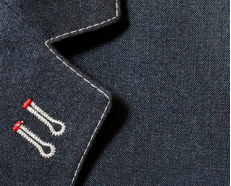
Sleeve filling is an important part of suit making, which determines the position of the sleeve and the comfort of wearing. The sleeve filling process includes the steps of sleeve filling and shoulder filling:
Sleeve filling: sew the sleeve to the front piece to ensure the accurate position of the sleeve.
Shoulder filling: fill the shoulder with shoulder cotton to increase the stiffness and comfort of the suit.
The sleeve filling process requires precision to ensure that the sleeve is closely combined with the front piece to form a neat and stiff suit appearance. At the same time, the filling of shoulder cotton also increases the three-dimensional sense and comfort of the suit.
KWONGLAM's machines can ensure that the sleeves are closely combined with the front piece in the sleeve and collar making process, including sleeve filling and shoulder filling, to form a neat and stiff suit appearance.


Sleeve filling: sew the sleeve to the front piece to ensure the accurate position of the sleeve.
Shoulder filling: fill the shoulder with shoulder cotton to increase the stiffness and comfort of the suit.
The sleeve filling process requires precision to ensure that the sleeve is closely combined with the front piece to form a neat and stiff suit appearance. At the same time, the filling of shoulder cotton also increases the three-dimensional sense and comfort of the suit.
KWONGLAM's machines can ensure that the sleeves are closely combined with the front piece in the sleeve and collar making process, including sleeve filling and shoulder filling, to form a neat and stiff suit appearance.
Buttonholes and buttoning are the last steps in suit making, which determine the wearing effect and durability of the suit.
Buttonholes:
Choose buttonhole type: Choose buttonhole type such as round head eyelet or flat head eyelet according to design requirements.
Buttonholes: Use a buttonhole machine or manual buttonholes to sew the buttonholes on the suit.
Check buttonholes: Make sure the buttonholes are neat, beautiful, and there is no loose thread.
Buttoning:
Choose buttons: Choose appropriate buttons according to design requirements, including material, color and shape.
Buttoning: Use a buttoning machine or manual buttoning to sew the buttons on the suit.
Check buttons: Make sure the buttons are firm, beautiful, and not loose.
The process of buttonholes and buttoning requires fineness to ensure that the buttonholes are neat and beautiful, and the buttons are firm and durable. These processes not only affect the wearing effect of the suit, but also determine the overall quality of the suit.
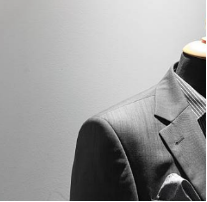


Buttonholes:
Choose buttonhole type: Choose buttonhole type such as round head eyelet or flat head eyelet according to design requirements.
Buttonholes: Use a buttonhole machine or manual buttonholes to sew the buttonholes on the suit.
Check buttonholes: Make sure the buttonholes are neat, beautiful, and there is no loose thread.
Buttoning:
Choose buttons: Choose appropriate buttons according to design requirements, including material, color and shape.
Buttoning: Use a buttoning machine or manual buttoning to sew the buttons on the suit.
Check buttons: Make sure the buttons are firm, beautiful, and not loose.
The process of buttonholes and buttoning requires fineness to ensure that the buttonholes are neat and beautiful, and the buttons are firm and durable. These processes not only affect the wearing effect of the suit, but also determine the overall quality of the suit.
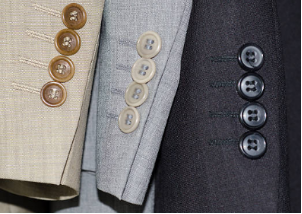
In addition, KWONGLAM also has products specifically for decoration and labeling.


The process of making a suit is a complex and delicate craft, which covers many aspects, such as threading, making chest lining, front and back pieces, hem and shoulder seams, sleeve and collar making, sleeve fitting, buttonholes and buttoning, and ironing. Each step of the process requires precision and accuracy to ensure the overall quality and wearing effect of the suit. Through the introduction of this article, we can have a deeper understanding of the secrets of suit making and appreciate the exquisite skills and ingenuity of the suit makers.The process of making a suit is a complex and delicate craft, which covers many aspects, such as threading, making chest lining, front and back pieces, hem and shoulder seams, sleeve and collar making, sleeve fitting, buttonholes and buttoning, and ironing. Each step of the process requires precision and accuracy to ensure the overall quality and wearing effect of the suit. Through the introduction of this article, we can have a deeper understanding of the secrets of suit making and appreciate the exquisite skills and ingenuity of the suit makers.
If you need to buy sewing machine,you could choose KWONGLAM!
【understand us】
Youtube://www.youtube.com/@kwonglam-2012
Facebook: //www.facebook.com/kwonglasew
Website:
The Best Synchronous Sewing Machine for Heavy-Duty Materials
Everything you need to know about embroidery machine equipment
Related Article
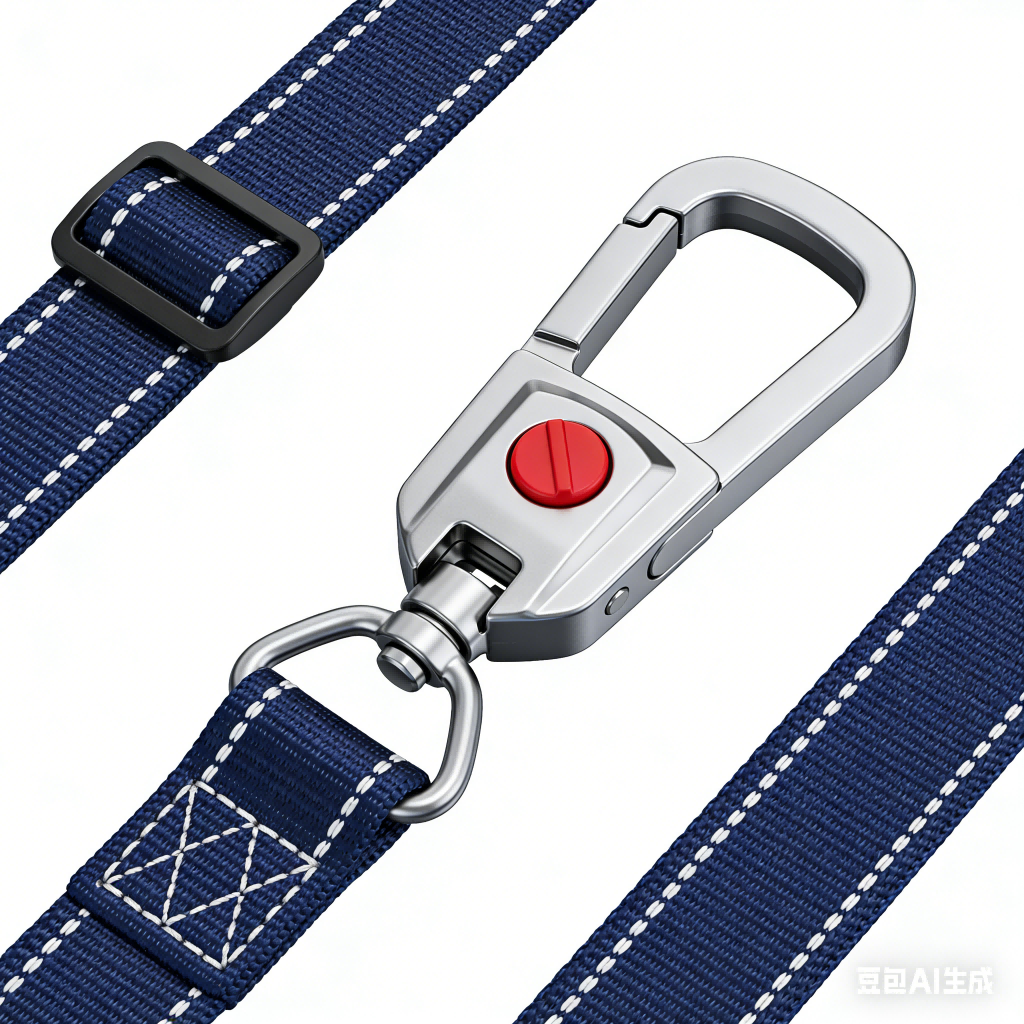
Explore how Kwonglam's KL-430D-0806HP Heavy-Duty Webbing & Strap Pattern Sewing Machine elevates thick material sewing with advanced features like a six-fold rotary hook, motor-controlled presser foot, and double rotary hook, optimizing processes for seat belts, harnesses, and cargo straps.
Heavy-Duty Webbing Sewing Solved: The KL-430D-0806HP Pattern Machine
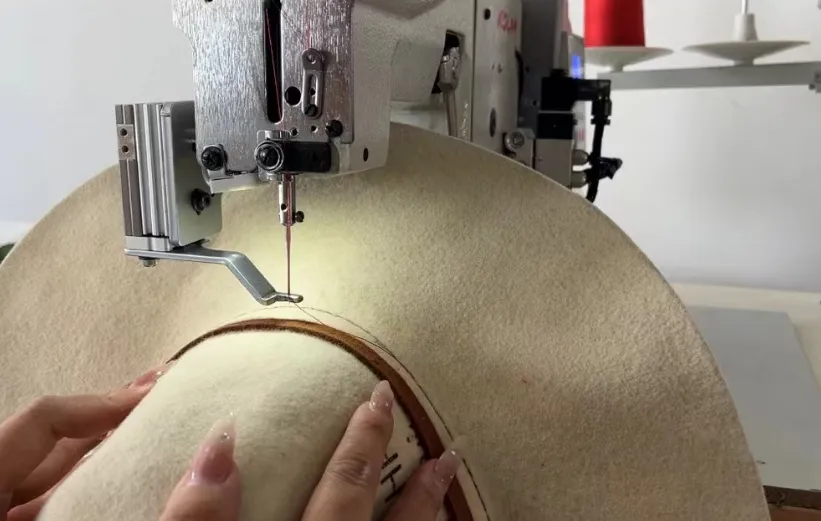
In the world of industrial sewing equipment, true value lies not in selling standard products, but in providing precise solutions. When a client approached us with a challenge in sewing cowboy hatbands, KOLAM reaffirmed its core philosophy of being "customer-centric" by transforming a universal tacking machine into the KL-3306D Electronic Special Machine for Tacking Hatbands.
Professional Customization: Sewing "Invisible" Strength for the Rugged Cowboy Hat

Kwonglam provides precise and reliable button sewing solutions for the global garment industry. Our product range covers cost-effective, fully automatic, and highly flexible machines, designed to boost efficiency and reduce costs. We empower your business success with superior stability and versatility, acting as your trusted global partner, not just an equipment supplier.
Kwonglam Global Button Sewing Solutions: Empowering Your Business Success with Precision Products and Partnership
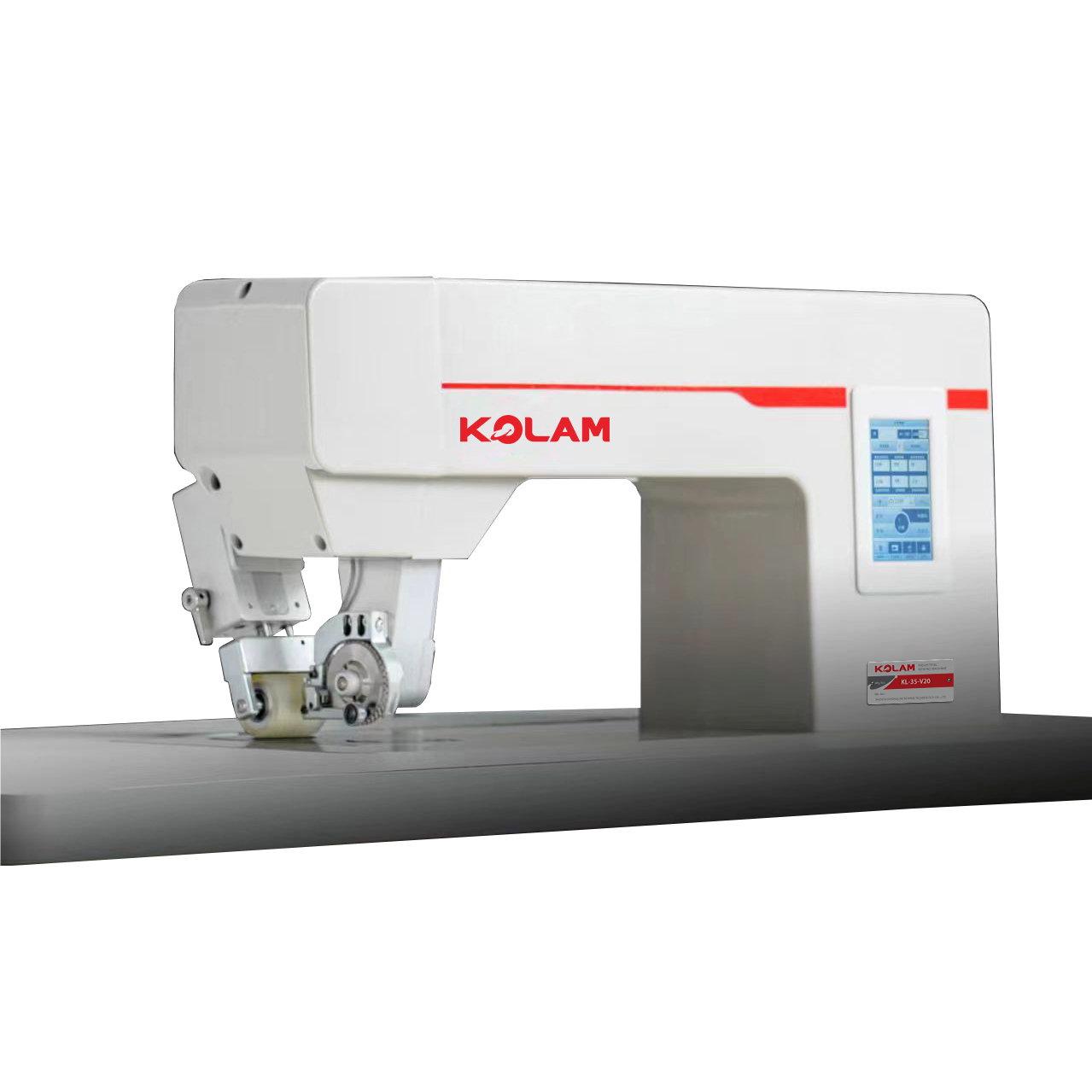
TAIZHOU KWONGLAM SEWING presents the KL35-V20 ultrasonic sewing machine – the intelligent solution for medical textiles. Ensure flawless hydrostatic protection, tensile strength, and sterile seams for surgical gowns and drapes. Explore plug-and-play, contaminant-free manufacturing.
KL35-V20 Ultrasonic Sewing Machine: Revolutionizing Medical Textiles with Intelligent Sealing Technology