
Sewing machine spare parts - sewing machine motors
author: Lily Shen
2025-01-03
In today's textile and garment manufacturing industry, the choice of motor is of utmost importance when it comes to improving the performance and efficiency of sewing machines. This is because the motor plays a crucial role in determining how well the sewing machine performs. When it comes To select the right motor for your sewing machine, two options that come to mind are the direct drive motor and the servo motor. Both of these motors have their unique advantages, and each is suitable for specific sewing machine applications. That said, it is essential to understand the differences between these two motors to make an informed decision. Direct drive motors are ideal for those sewing machines that require high speed and precision. This motor type works by directly attaching the motor to the sewing machine's main shaft, which results in a higher level of accuracy and stability during the sewing process. On the other Hand, servo motors are more versatile in terms of functionality and can be adapted to a range of sewing machine applications. Servo motors are perfect for sewing machines that require high power and precision control, making them fantastic for heavy-duty sewing operations. They allow for the machine's speed and torque output to be adjusted as necessary, making it easy to achieve the required sewing parameters.
In conclusion, selecting the right motor type for your sewing machine is crucial to achieving optimal sewing performance. Direct drive and servo motors are the two most common motors used in modern sewing machines, and understanding the unique features of each can help you make an informed decision when selecting the most appropriate option for your specific needs.
The main function of direct drive motors in sewing machines is to directly drive the main shaft of the sewing machine to transmit power. This driving method eliminates the intermediate links in traditional belt transmission, such as belts, gearboxes, etc., which greatly simplifies the structure. Direct drive motors have the advantages of high efficiency and low consumption, high speed and high precision, high reliability and maintenance-free, high stiffness and fast response, no lubrication required, and quiet operation. In high-end sewing machines and industrial sewing machines, the use of direct drive motors can significantly improve sewing efficiency and quality, reduce noise and vibration, and create a more comfortable working environment for workers.
In conclusion, selecting the right motor type for your sewing machine is crucial to achieving optimal sewing performance. Direct drive and servo motors are the two most common motors used in modern sewing machines, and understanding the unique features of each can help you make an informed decision when selecting the most appropriate option for your specific needs.
The main function of direct drive motors in sewing machines is to directly drive the main shaft of the sewing machine to transmit power. This driving method eliminates the intermediate links in traditional belt transmission, such as belts, gearboxes, etc., which greatly simplifies the structure. Direct drive motors have the advantages of high efficiency and low consumption, high speed and high precision, high reliability and maintenance-free, high stiffness and fast response, no lubrication required, and quiet operation. In high-end sewing machines and industrial sewing machines, the use of direct drive motors can significantly improve sewing efficiency and quality, reduce noise and vibration, and create a more comfortable working environment for workers.

There are many types of direct drive motors. According to the application requirements of sewing machines, common direct drive motors include the following:
1. Permanent magnet direct drive motor: Permanent magnet direct drive motor is widely used in sewing machines due to its high efficiency, fast response and high precision. It is compact, easy to install and maintain, but relatively expensive.
2. Brushless direct drive motor: Brushless direct drive motor is integrated with the driver, with the advantages of high efficiency, low noise and long life. However, its control system is relatively complex and requires professional technicians for debugging and maintenance.
3. Hybrid magnetic direct drive motor: Hybrid magnetic direct drive motor combines the advantages of permanent magnet direct drive motor and stepper motor, with good torque performance and self-locking. However, the system complexity is high, the error is relatively large, and more sophisticated control algorithms are required to optimize performance.
4. Synchronous motor: Synchronous motor is a common induction motor with a simple structure and simple starting and control. However, its torque is easily affected by the load, and it is necessary to select the appropriate model and parameters in the sewing machine application to ensure stable operation.
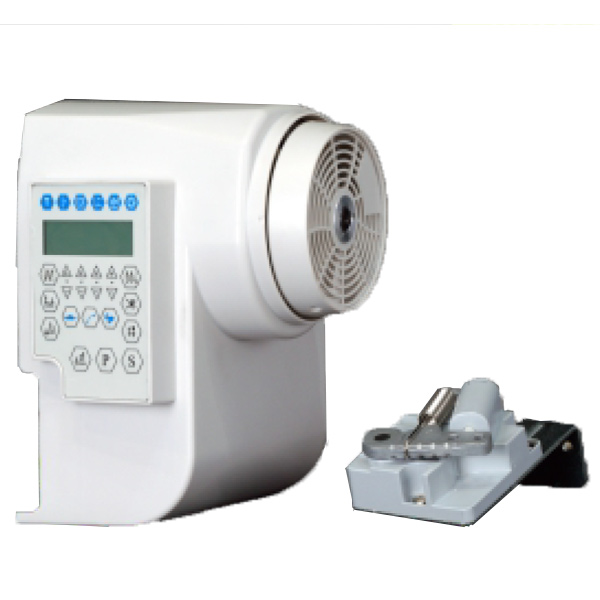


The use of servo motors in sewing machines provides a superior level of control and efficiency in production. With their ability to translate voltage signals into precise torque and speed, servo motors offer unparalleled control over the sewing process. This means that sewing speed and position can be tightly regulated, resulting in improved production times and higher quality output.
Moreover, servo motors boast several other advantages that contribute to a better working experience. Their quick start and stop capability, smooth operation, and low noise levels significantly enhance the comfort and safety of workers. Additionally, servo motors can adapt with ease to different materials and thicknesses, enabling greater flexibility and diversity in production.
Overall, the application of servo motors in sewing machines represents a significant upgrade in manufacturing standards. With their precise control, automation capabilities, and user-friendly features, servo motors are an essential tool for optimal productivity and quality outcomes in the textile industry.
Sewing machine servo motors are mainly divided into two categories: DC servo motors and AC servo motors:
1. DC servo motors: DC servo motors have been widely used in early sewing machines due to their simple structure and convenient control. With the continuous development of electronic technology, the performance of DC servo motors has been further improved, and their application in sewing machines has become more extensive. DC servo motors have the advantages of wide speed regulation range and high precision, which can meet the needs of different sewing processes.
2. AC servo motor: AC servo motors have gradually replaced some DC servo motors in modern sewing machines due to their high efficiency, energy saving and stable performance. AC servo motors use advanced electronic control technology to achieve more intelligent and precise control. At the same time, AC servo motors also have the advantages of compact structure and easy maintenance, and are suitable for various complex sewing processes and production environments.
Moreover, servo motors boast several other advantages that contribute to a better working experience. Their quick start and stop capability, smooth operation, and low noise levels significantly enhance the comfort and safety of workers. Additionally, servo motors can adapt with ease to different materials and thicknesses, enabling greater flexibility and diversity in production.
Overall, the application of servo motors in sewing machines represents a significant upgrade in manufacturing standards. With their precise control, automation capabilities, and user-friendly features, servo motors are an essential tool for optimal productivity and quality outcomes in the textile industry.
Sewing machine servo motors are mainly divided into two categories: DC servo motors and AC servo motors:
1. DC servo motors: DC servo motors have been widely used in early sewing machines due to their simple structure and convenient control. With the continuous development of electronic technology, the performance of DC servo motors has been further improved, and their application in sewing machines has become more extensive. DC servo motors have the advantages of wide speed regulation range and high precision, which can meet the needs of different sewing processes.
2. AC servo motor: AC servo motors have gradually replaced some DC servo motors in modern sewing machines due to their high efficiency, energy saving and stable performance. AC servo motors use advanced electronic control technology to achieve more intelligent and precise control. At the same time, AC servo motors also have the advantages of compact structure and easy maintenance, and are suitable for various complex sewing processes and production environments.
When it comes to sewing machine applications, both direct drive motors and servo motors have their own unique advantages and limitations. Direct drive motors are highly efficient, consume less power, operate smoothly, and have a simple structure, which makes them a popular choice for high-end sewing machines and industrial sewing machines. However, the cost of direct drive motors is relatively high, and they require sophisticated control systems.
On the other hand, servo motors are the preferred choice for sewing machines that demand precise control, automated production, and robust adaptability. Despite being more expensive, the benefits of servo motors, including improved production efficiency, superior quality, and a better working environment for operators, make them more cost-effective in the long run.
In conclusion, whether you opt for a direct drive motor or a servo motor, it is essential to consider your specific needs and requirements to ensure that you select the best motor for your sewing machine. While direct drive motors are ideal for high-end or industrial sewing machines, servo motors are better suited for uncompromising precision and adaptable production. So, be sure to weigh the advantages and limitations of both options before making your final decision.
In conclusion, it is important to weigh the pros and cons of using sewing machine direct drive motors versus servo motors. These motors have different priorities in terms of functionality, and they are also categorized differently. When selecting a motor, it is essential to take into account the specific requirements of the sewing process and production goals. Direct drive motors are an excellent choice for high-end and industrial sewing machines that aim for efficiency, low noise, and overall stability. However, servo motors are a more advantageous option for sewing machines that require precise control, automated production, and diversified production. By carefully considering and utilizing these two motor types, sewing machine performance and production efficiency can improve dramatically, leading to advancements in textile and garment manufacturing.
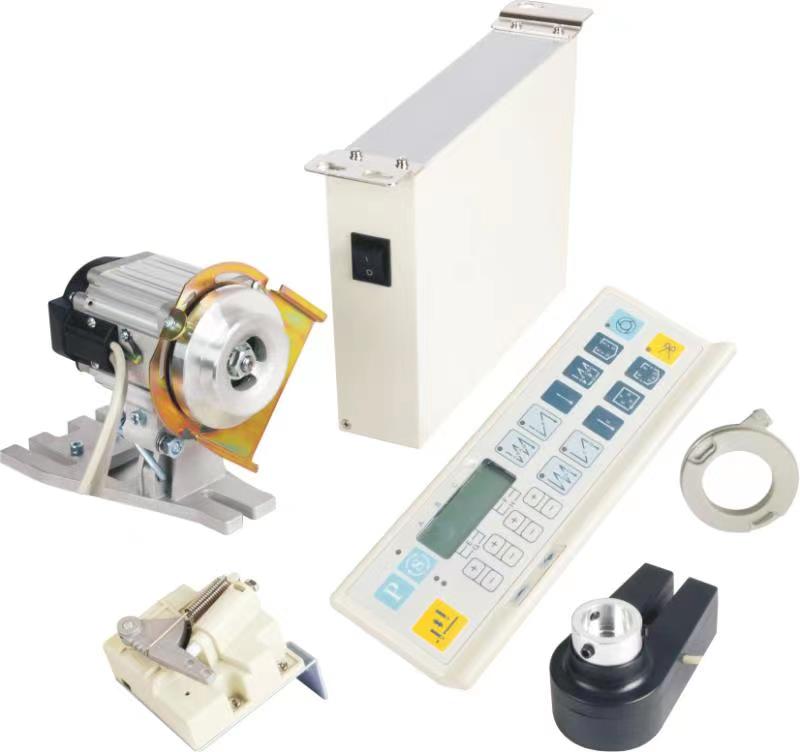


On the other hand, servo motors are the preferred choice for sewing machines that demand precise control, automated production, and robust adaptability. Despite being more expensive, the benefits of servo motors, including improved production efficiency, superior quality, and a better working environment for operators, make them more cost-effective in the long run.
In conclusion, whether you opt for a direct drive motor or a servo motor, it is essential to consider your specific needs and requirements to ensure that you select the best motor for your sewing machine. While direct drive motors are ideal for high-end or industrial sewing machines, servo motors are better suited for uncompromising precision and adaptable production. So, be sure to weigh the advantages and limitations of both options before making your final decision.
In conclusion, it is important to weigh the pros and cons of using sewing machine direct drive motors versus servo motors. These motors have different priorities in terms of functionality, and they are also categorized differently. When selecting a motor, it is essential to take into account the specific requirements of the sewing process and production goals. Direct drive motors are an excellent choice for high-end and industrial sewing machines that aim for efficiency, low noise, and overall stability. However, servo motors are a more advantageous option for sewing machines that require precise control, automated production, and diversified production. By carefully considering and utilizing these two motor types, sewing machine performance and production efficiency can improve dramatically, leading to advancements in textile and garment manufacturing.
If you need to buy sewing machine,you could choose KWONGLAM!
【understand us】
Youtube:https://www.youtube.com/@kwonglam-2012
Facebook: https://www.facebook.com/kwonglamsew
Website:https://www.zjkwonglam.com/
Youtube:https://www.youtube.com/@kwonglam-2012
Facebook: https://www.facebook.com/kwonglamsew
Website:https://www.zjkwonglam.com/
SEWING MACHINE PARTS - HOME USESEWING MACHINE PARTS - HOME USE
Sewing Machine Parts and Accessories - Industry
Related Article
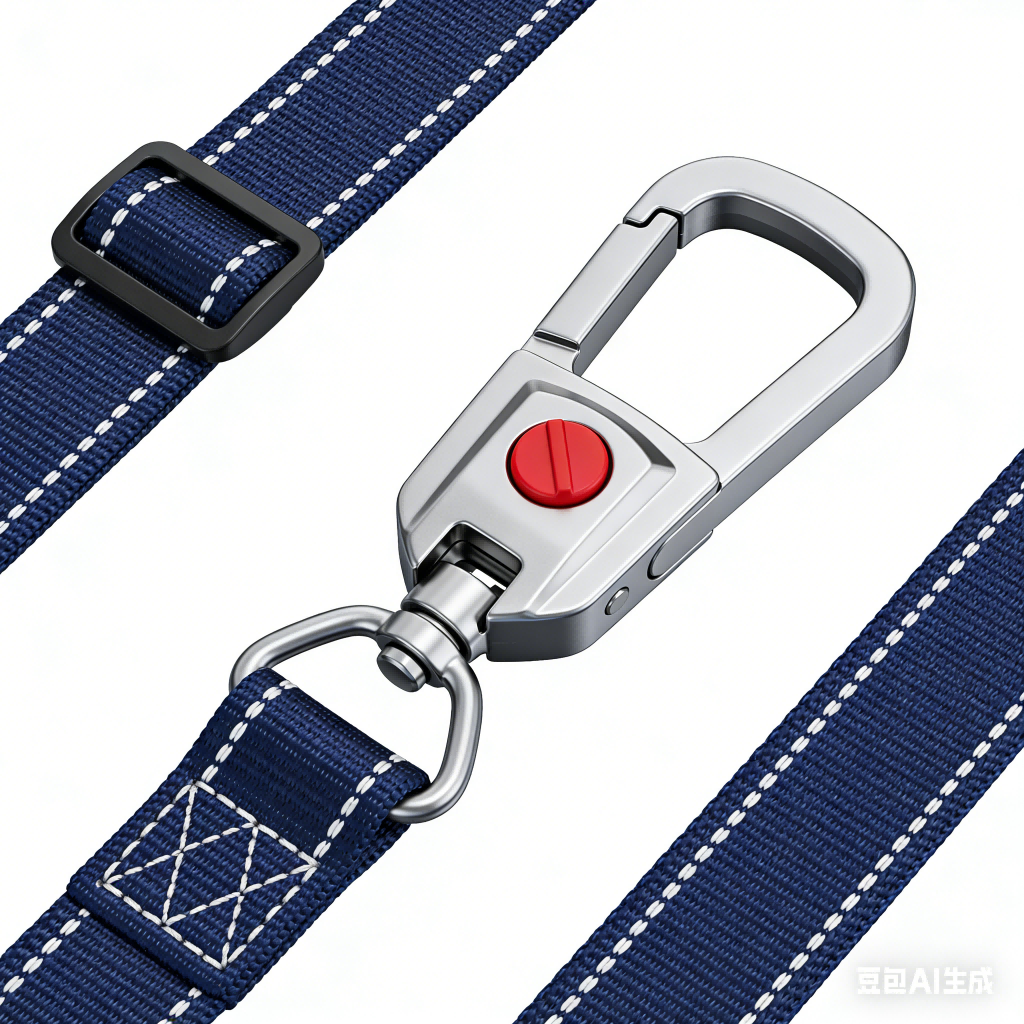
Explore how Kwonglam's KL-430D-0806HP Heavy-Duty Webbing & Strap Pattern Sewing Machine elevates thick material sewing with advanced features like a six-fold rotary hook, motor-controlled presser foot, and double rotary hook, optimizing processes for seat belts, harnesses, and cargo straps.
Heavy-Duty Webbing Sewing Solved: The KL-430D-0806HP Pattern Machine
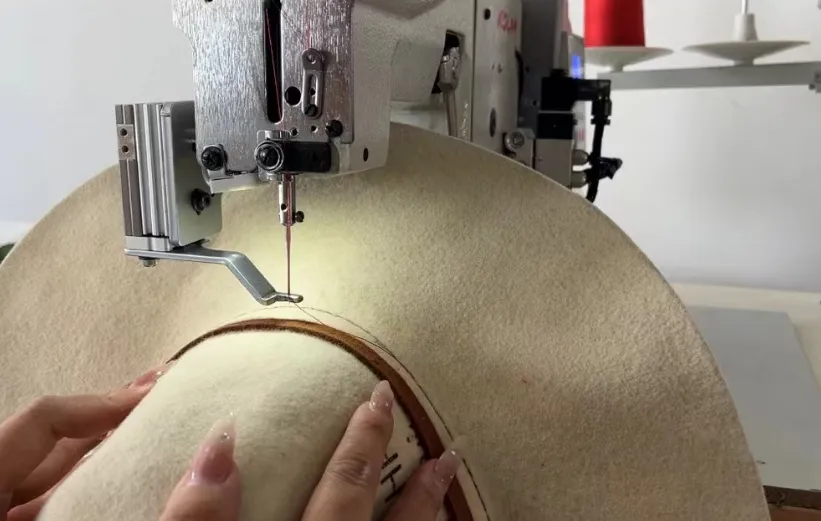
In the world of industrial sewing equipment, true value lies not in selling standard products, but in providing precise solutions. When a client approached us with a challenge in sewing cowboy hatbands, KOLAM reaffirmed its core philosophy of being "customer-centric" by transforming a universal tacking machine into the KL-3306D Electronic Special Machine for Tacking Hatbands.
Professional Customization: Sewing "Invisible" Strength for the Rugged Cowboy Hat

Kwonglam provides precise and reliable button sewing solutions for the global garment industry. Our product range covers cost-effective, fully automatic, and highly flexible machines, designed to boost efficiency and reduce costs. We empower your business success with superior stability and versatility, acting as your trusted global partner, not just an equipment supplier.
Kwonglam Global Button Sewing Solutions: Empowering Your Business Success with Precision Products and Partnership
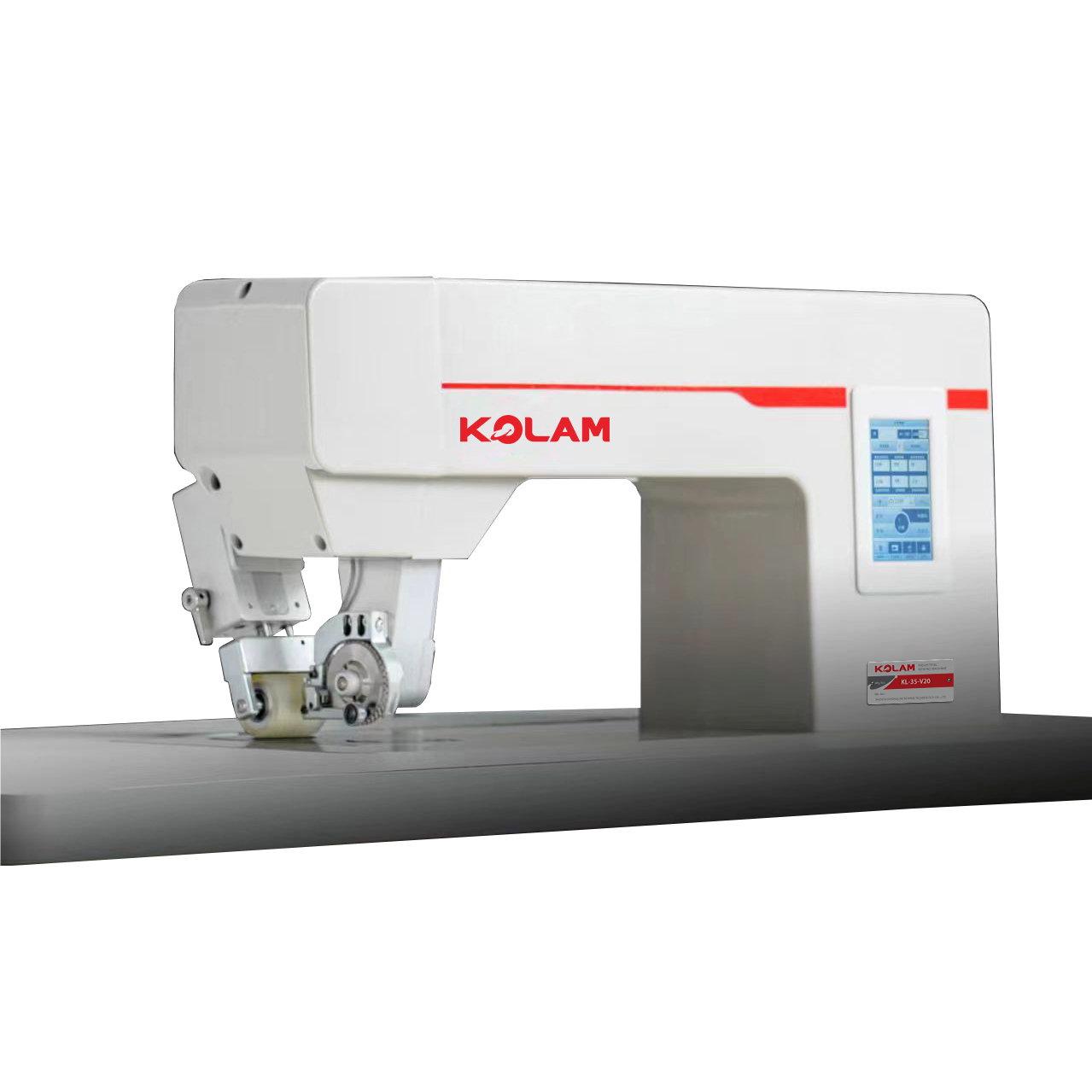
TAIZHOU KWONGLAM SEWING presents the KL35-V20 ultrasonic sewing machine – the intelligent solution for medical textiles. Ensure flawless hydrostatic protection, tensile strength, and sterile seams for surgical gowns and drapes. Explore plug-and-play, contaminant-free manufacturing.
KL35-V20 Ultrasonic Sewing Machine: Revolutionizing Medical Textiles with Intelligent Sealing Technology