
The Report On Imports And Exports Of China's Sewing Machine Industry From January To March 2025
author: Lily Shen
2025-03-26
Since the beginning of 2025, KWONGLAM's industrial sewing machine export business has continued the recovery momentum in the second half of 2024, and by the end of March, multiple containers have been packed and shipped. Since New Year's Day, the number of orders from overseas customers has rebounded significantly, especially in Southeast Asia, South Asia and the Middle East. Orders from major clothing manufacturing countries such as India and Vietnam account for more than 40%, mainly due to the expansion of local textile industry's production capacity and the demand for upgrading intelligent equipment in the "small order and fast response" model. Data shows that the export volume in the first quarter of 2025 increased by 35% year-on-year, and the customer repurchase rate increased by 20% compared with the same period last year, confirming the global market's high recognition of KWONGLAM's product quality and technological innovation.
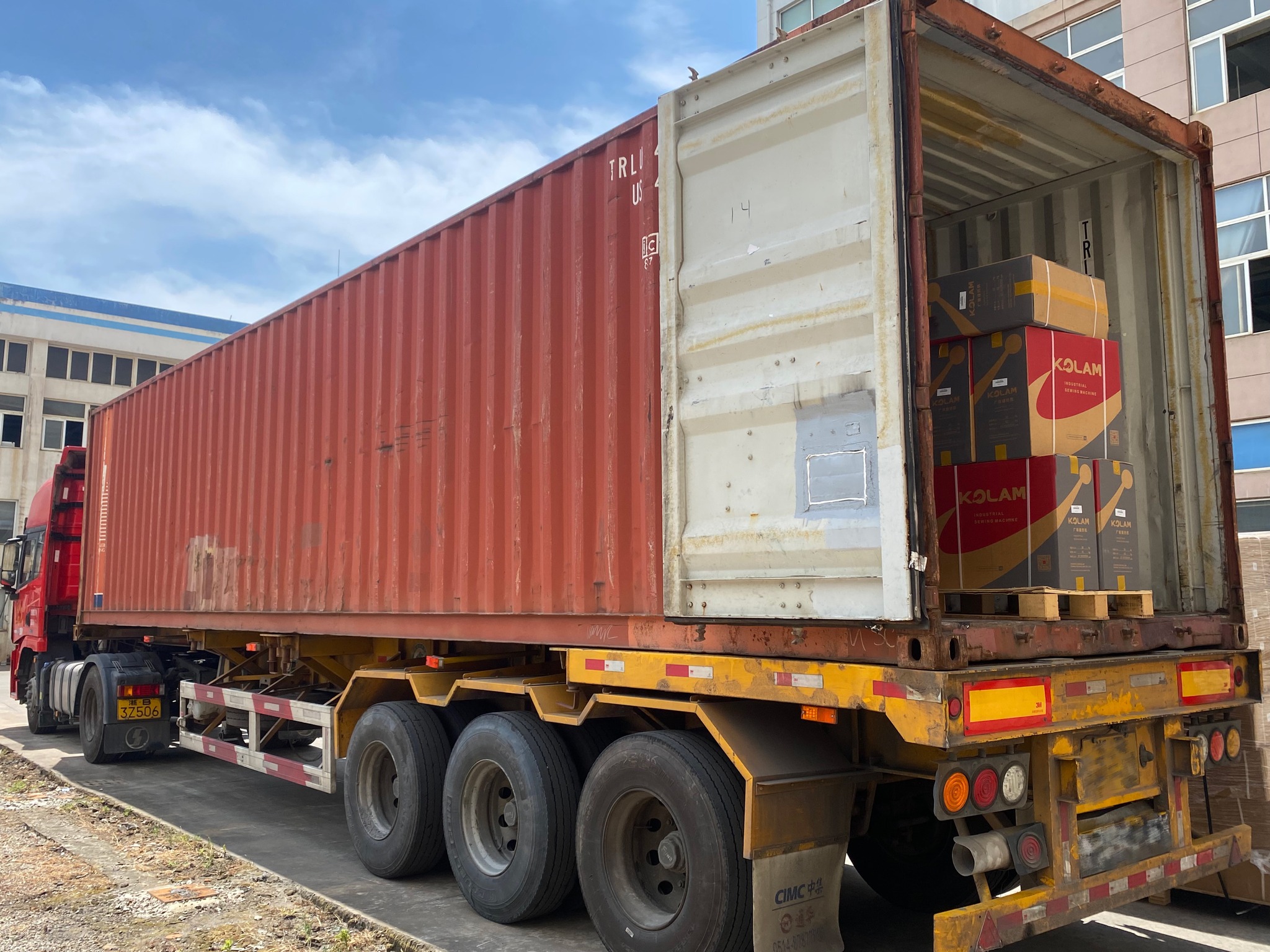

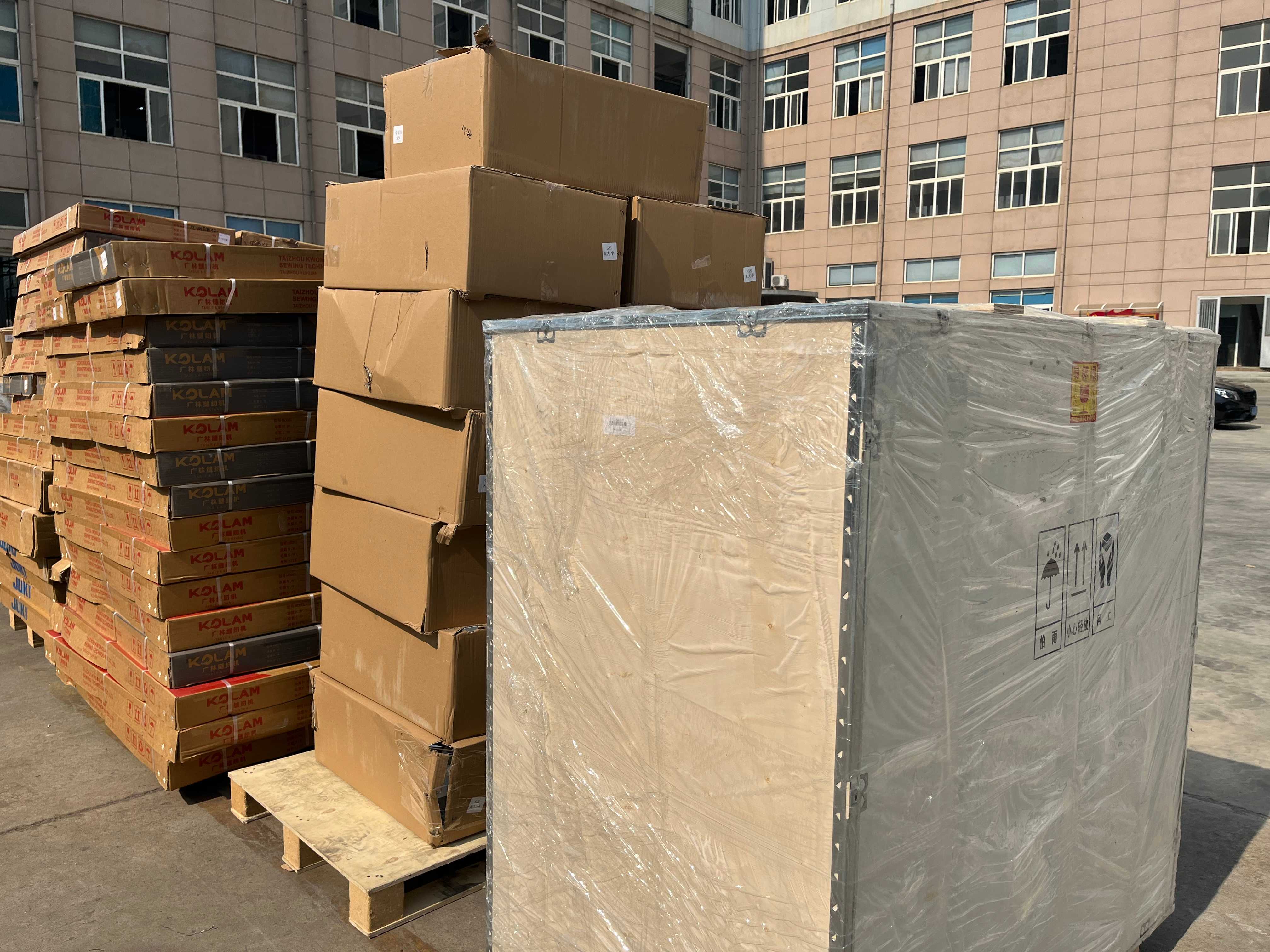
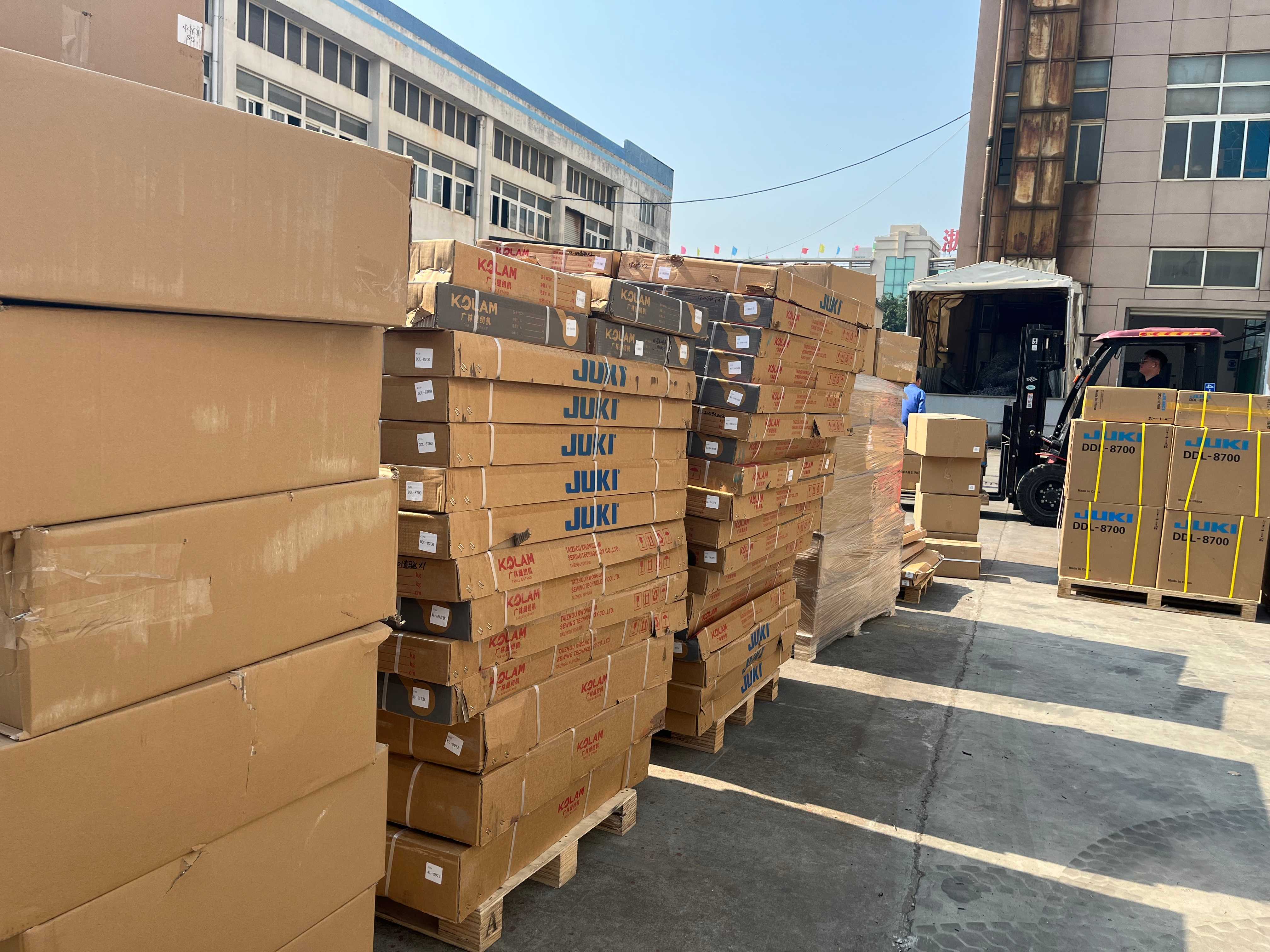
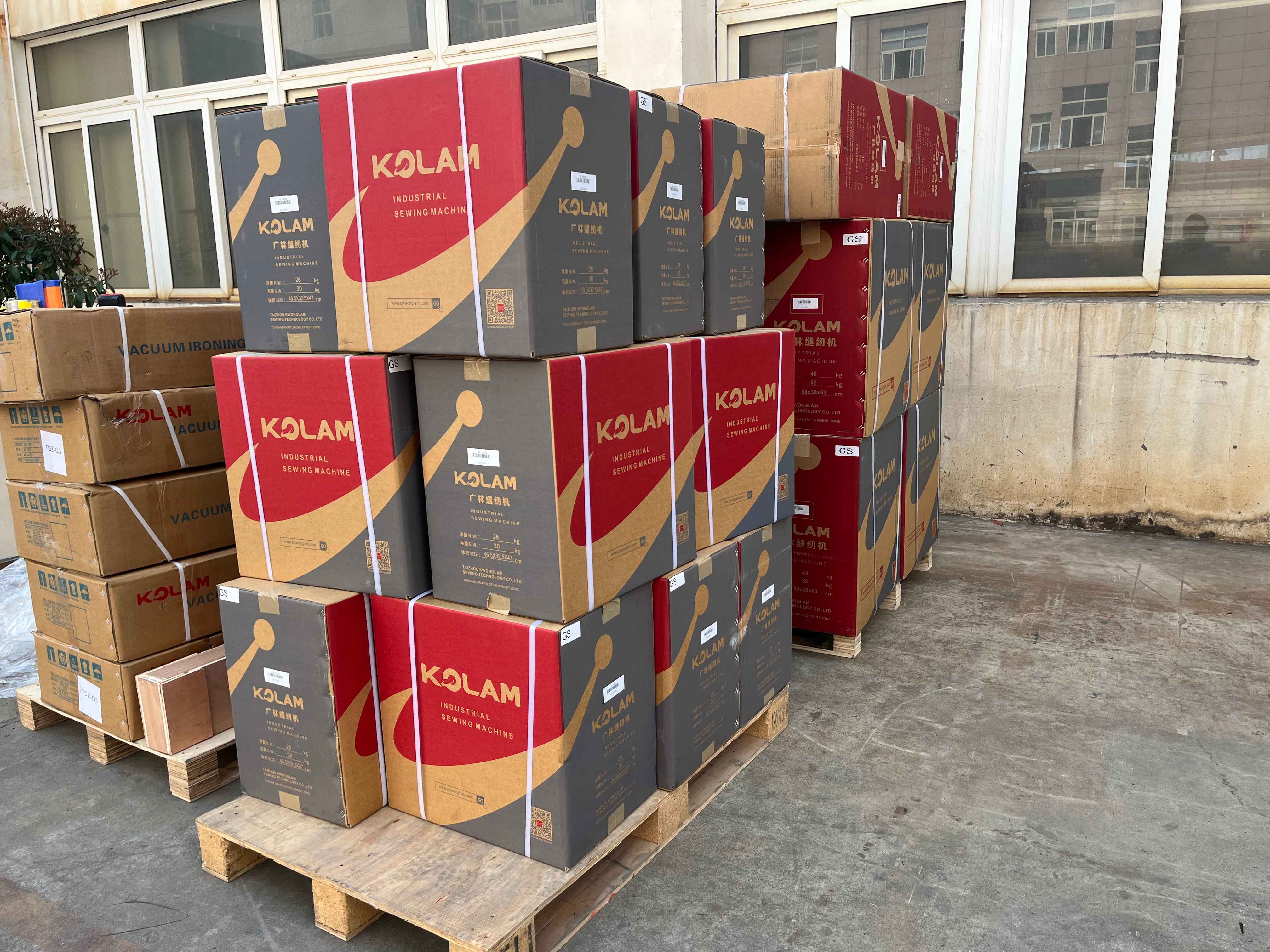
From the perspective of the industry as a whole, the industrial sewing machine market in 2025 continued the recovery trend in 2024. In terms of domestic demand, the fixed asset investment in the domestic textile and garment industry continued to grow, with a year-on-year increase of 15.2% in January-February, driving the demand for equipment renewal; in terms of external demand, as the global economy gradually stabilizes, the demand for replenishment in Europe and the United States is released, and the export orders of clothing in Southeast Asia have recovered, driving the export volume of sewing machinery to maintain double-digit growth since May 2024. In January-March 2025, my country's sewing machinery exports increased by 28% year-on-year, of which the export growth rates to ASEAN and South Asian markets reached 25% and 38% respectively, and India and Vietnam remained the top three export destinations.
Here's the Export Market Analysis:
Here's the Export Market Analysis:
|
Category |
Jan-Feb 2025 |
Q1 2025 (Overall) |
|
Total Export Value |
$1.28B ( -3.7%) |
Emerging markets contribute >70% |
|
Industrial Sewing Machines |
Volume: 850K units (-5%), Value: $540M (-2%) |
Smart models >40% share |
|
Embroidery Machines |
Volume: 21K units (-12%), Value: $360M (+5%) |
High-value products (e.g. digital printers) 60% share |
|
Household Sewing Machines |
Volume: 1.2M units (+3%), Value: $230M (+4%) |
SEA market share 45% |
2. Regional market dynamics
(1) Southeast Asia and South Asia: short-term fluctuations and long-term potential
Vietnam and Bangladesh: Orders in January and February declined due to tariff policy adjustments and inventory cycles (Vietnam imported US$210 million of Chinese equipment, down 8.5% year-on-year), but in March, as clothing exports rebounded (Vietnam's textile exports increased by 12% year-on-year), demand for high-end equipment rebounded.
(1) Southeast Asia and South Asia: short-term fluctuations and long-term potential
Vietnam and Bangladesh: Orders in January and February declined due to tariff policy adjustments and inventory cycles (Vietnam imported US$210 million of Chinese equipment, down 8.5% year-on-year), but in March, as clothing exports rebounded (Vietnam's textile exports increased by 12% year-on-year), demand for high-end equipment rebounded.
India and Pakistan: Driven by industrial policies (such as India's PLI plan), exports to India and Pakistan increased by 12% and 15% respectively in January and February, and the overall growth rate of exports to South Asia in the first quarter reached 38%.
(2) Explosive growth in emerging markets
Brazil and Central Asia: Exports to Brazil in January and February were US$90 million (up 22% year-on-year), and exports to Central Asia were US$60 million (up 35% year-on-year). The expansion of Kazakhstan's textile industry capacity drove the import of fully automatic equipment (China accounts for 71% of its market share).
Brazil and Central Asia: Exports to Brazil in January and February were US$90 million (up 22% year-on-year), and exports to Central Asia were US$60 million (up 35% year-on-year). The expansion of Kazakhstan's textile industry capacity drove the import of fully automatic equipment (China accounts for 71% of its market share).
Middle East and Africa: Due to the construction of new clothing industrial parks in markets such as Egypt and Morocco, exports to Africa increased by 25% in the first quarter.
(3) The European and American markets continue to be under pressure
High inflation and weak consumption led to a 10% and 7% drop in exports to the United States and Europe in January-March, respectively. Only energy-saving equipment (such as models that save 30% of electricity) maintained a slight increase due to the EU's carbon tariff policy.
High inflation and weak consumption led to a 10% and 7% drop in exports to the United States and Europe in January-March, respectively. Only energy-saving equipment (such as models that save 30% of electricity) maintained a slight increase due to the EU's carbon tariff policy.
Overall characteristics of the industry: structural differentiation and recovery coexist
1. Core trends of imports and exports
Export growth rate "low at the beginning and high at the end": In January-February 2025, affected by the differentiation of global economic recovery and weak demand in the European and American markets, the export volume of sewing machines decreased by 3.7% year-on-year (accumulated to US$1.28 billion); with the release of replenishment demand in Southeast Asia in March and the growth of orders in emerging markets, the overall export growth rate in the first quarter rebounded to 28% (data from the General Administration of Customs).
Import structure adjusted in depth: from January to March, the import value of high-end equipment decreased by 12% year-on-year, and the import value of parts decreased by 8%, reflecting the acceleration of domestic substitution process, and the autonomy rate of key areas such as servo motors and CNC systems increased to 35%.
1. Core trends of imports and exports
Export growth rate "low at the beginning and high at the end": In January-February 2025, affected by the differentiation of global economic recovery and weak demand in the European and American markets, the export volume of sewing machines decreased by 3.7% year-on-year (accumulated to US$1.28 billion); with the release of replenishment demand in Southeast Asia in March and the growth of orders in emerging markets, the overall export growth rate in the first quarter rebounded to 28% (data from the General Administration of Customs).
Import structure adjusted in depth: from January to March, the import value of high-end equipment decreased by 12% year-on-year, and the import value of parts decreased by 8%, reflecting the acceleration of domestic substitution process, and the autonomy rate of key areas such as servo motors and CNC systems increased to 35%.
2. Domestic and foreign demand driving factors
Domestic demand support: Fixed asset investment in the domestic textile and clothing industry increased by 15.2% year-on-year from January to February, driving the demand for equipment renewal.
Differentiation of external demand: The European and American markets continued to be sluggish due to high inflation (exports to the United States and Europe fell by 10% and 7% respectively), while Southeast Asia, South Asia and the Middle East became the main growth poles due to capacity expansion and industrial upgrading needs (export growth rates in ASEAN and South Asia reached 25% and 38% respectively).
Domestic demand support: Fixed asset investment in the domestic textile and clothing industry increased by 15.2% year-on-year from January to February, driving the demand for equipment renewal.
Differentiation of external demand: The European and American markets continued to be sluggish due to high inflation (exports to the United States and Europe fell by 10% and 7% respectively), while Southeast Asia, South Asia and the Middle East became the main growth poles due to capacity expansion and industrial upgrading needs (export growth rates in ASEAN and South Asia reached 25% and 38% respectively).
Trend Outlook and Strategic Direction in 2025
1. Core Trend Forecast
Export market: The annual growth rate is expected to be 8-10%, the proportion of smart devices may exceed 50%, and emerging markets such as Central Asia and North Africa will become new growth.
Import substitution: The import value of high-end equipment may further decline by 5-8%, and the substitution rate of domestic CNC systems is expected to reach 40%.
1. Core Trend Forecast
Export market: The annual growth rate is expected to be 8-10%, the proportion of smart devices may exceed 50%, and emerging markets such as Central Asia and North Africa will become new growth.
Import substitution: The import value of high-end equipment may further decline by 5-8%, and the substitution rate of domestic CNC systems is expected to reach 40%.
2. Industry Challenges
Cost pressure: The price of steel and motor raw materials has increased by 15% year-on-year, squeezing the profit space of enterprises.
Trade barriers: The EU carbon tariff draft is about to be implemented, and the export compliance cost has increased.
Intensified competition: The market share of local brands in India and Turkey in the mid- and low-end markets continues to increase.
Cost pressure: The price of steel and motor raw materials has increased by 15% year-on-year, squeezing the profit space of enterprises.
Trade barriers: The EU carbon tariff draft is about to be implemented, and the export compliance cost has increased.
Intensified competition: The market share of local brands in India and Turkey in the mid- and low-end markets continues to increase.
Conclusion: In the first quarter of 2025, China's sewing machine industry showed the characteristics of "structural recovery" under external pressure and internal upgrading. Although it faces weak demand and cost pressure in Europe and the United States in the short term, the industry is expected to achieve steady growth throughout the year through intelligent transformation, precise layout of regional markets and deepening of domestic substitution. In the future, we need to continue to pay attention to the reconstruction of the global supply chain and technological innovation breakthroughs to consolidate our global competitive advantage.
To effectively navigate the developments and challenges of the upcoming quarter, KWONGLAM has been proactively upgrading its specialized machinery and equipment in the garment sector, ensuring they align with evolving customer demands. Notably, our commitment to innovation extends to the continuous enhancement of intelligent equipment, reflecting our dedication to staying at the forefront of industry advancements.
KWONGLAM has meticulously curated a selection of state-of-the-art equipment tailored specifically for the needs of apparel manufacturers and distributors. Our cutting-edge solutions are designed to seamlessly integrate into modern production processes, delivering unparalleled efficiency gains and operational excellence. By leveraging our advanced machinery, businesses can expect to optimize their manufacturing workflows, reduce production lead times, and enhance overall output quality - all while maintaining cost-effectiveness in today's competitive market landscape.


If you are also eager to experience internationally recognized sewing machine solutions, please contact us or visit the efficient official website for more details. Let KWONGLAM sewing machine become a powerful booster for your production!
【Learn about us】
Youtube://www.youtube.com/@kwonglam-2012
Facebook:////www.facebook.com/kwonglamsew
Website:////www.zjkwonglam.com/
【Learn about us】
Youtube://www.youtube.com/@kwonglam-2012
Facebook:////www.facebook.com/kwonglamsew
Website:////www.zjkwonglam.com/
Unlocking Egypt’s Stitching Revolution: Kwonglam's Strategic Edge
Kwonglam Retail Machine: An Innovative Leader In The Wave Of Globalization
Related Article

Analysis of China's Sewing Machine Industry exports and imports from January to August 2026.
Brief Report on China's Sewing Machinery Industry Import & Export (Jan–Aug 2026)
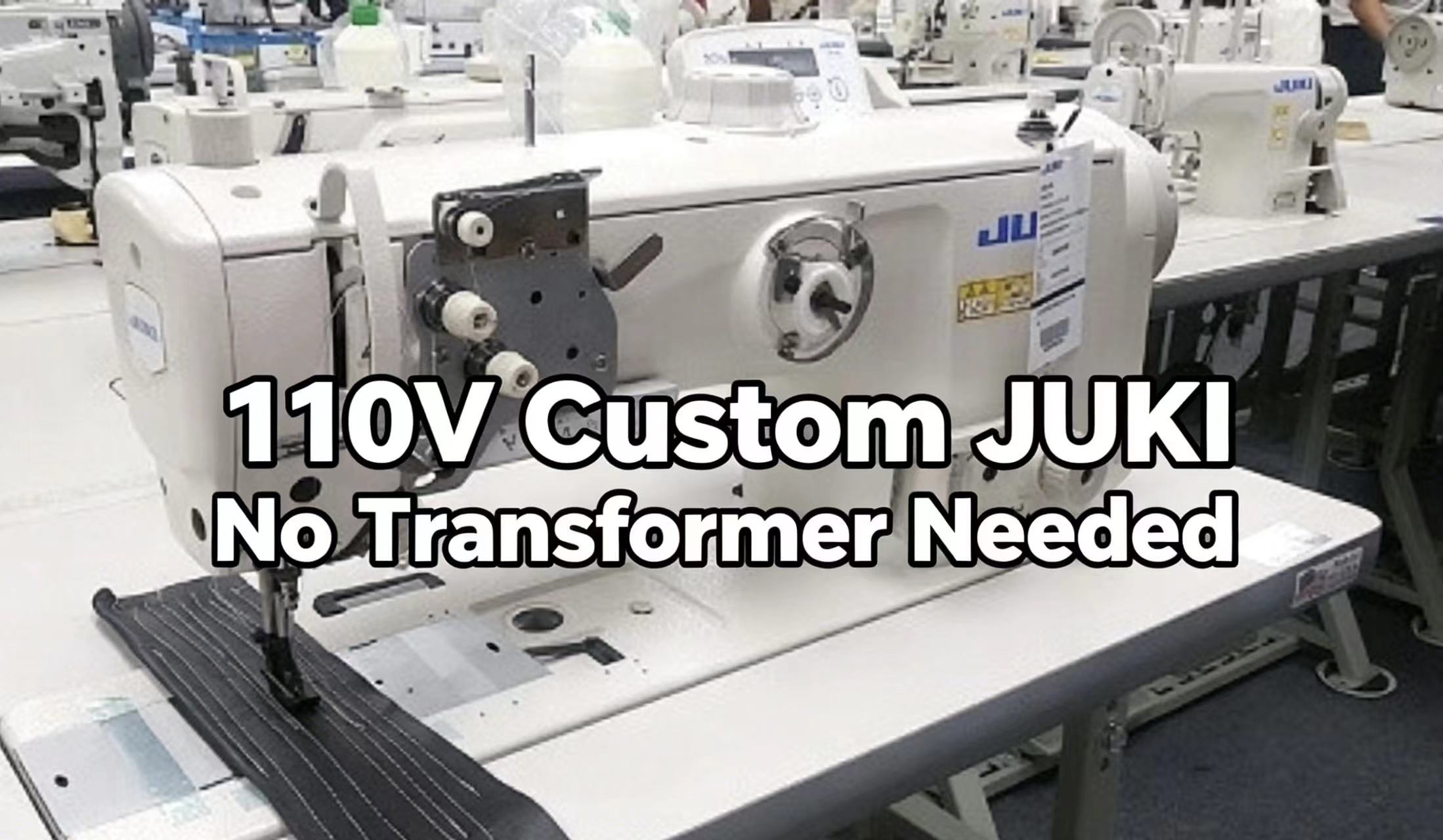
Need JUKI sewing machines for US voltage? We’ve got custom 110V JUKI units — no transformer needed!Featuring JUKI 7000A, DDL 8000A, and LU 2810, these work with 110V power right out of the box. Perfect for workshops, studios, custom sewing, and household projects. Reliable US sewing machines that keep your workflow smooth.
US Market Exclusive |JUKI 110V Voltage Customization Service