
Pleating machine combines fashion and technology in clothing craftsmanship
author: Lily Shen
2024-09-26
The clothing craft of skirt pleats is a common and aesthetic element in skirt design. It creates different shapes and textures through folding, piling or specific cutting techniques of fabric, thereby increasing the layering and dynamic beauty of the skirt. Skirt pleats can not only add a unique visual effect to clothing, but also show elegant, romantic, or lively styles according to different designs.

There are many types of skirt pleats, and the following are common ones:
1. Natural pleats: This type of pleats is formed naturally through the natural drape of the fabric and the movement of the human body, giving people a casual and relaxed feeling. Commonly used for soft and breathable fabrics such as cotton and linen.
2. Regular pleats: Also known as I-shaped pleats, accordion pleats, etc., the fabric is precisely folded by machine or hand to form a series of parallel or cross-shaped pleats with uniform spacing. This type of pleats has a strong sense of design and three-dimensionality, and is often used in formal dresses or skirt designs that need to highlight the waist curve.
3. Ruffles: Ruffles are formed by folding the edge of the fabric into a wavy shape and then sewing it on the edge of the skirt. It looks light and elegant, with a romantic atmosphere, which is very suitable for feminine clothing design.
4. Pleats: Pleats are formed by partially pinching the fabric and then fixing it with stitches or other methods. This kind of pleats can flexibly control the number, size and position of pleats according to design needs, adding details and changes to the skirt.
5. Pleats: Pleats are created by shrinking the stitches on the fabric to create a shrinkage and accumulation effect in certain areas of the fabric, thereby creating a unique pleated texture. This pleating method can make the skirt fit the body better and also increase the visual layering.
1. Natural pleats: This type of pleats is formed naturally through the natural drape of the fabric and the movement of the human body, giving people a casual and relaxed feeling. Commonly used for soft and breathable fabrics such as cotton and linen.
2. Regular pleats: Also known as I-shaped pleats, accordion pleats, etc., the fabric is precisely folded by machine or hand to form a series of parallel or cross-shaped pleats with uniform spacing. This type of pleats has a strong sense of design and three-dimensionality, and is often used in formal dresses or skirt designs that need to highlight the waist curve.
3. Ruffles: Ruffles are formed by folding the edge of the fabric into a wavy shape and then sewing it on the edge of the skirt. It looks light and elegant, with a romantic atmosphere, which is very suitable for feminine clothing design.
4. Pleats: Pleats are formed by partially pinching the fabric and then fixing it with stitches or other methods. This kind of pleats can flexibly control the number, size and position of pleats according to design needs, adding details and changes to the skirt.
5. Pleats: Pleats are created by shrinking the stitches on the fabric to create a shrinkage and accumulation effect in certain areas of the fabric, thereby creating a unique pleated texture. This pleating method can make the skirt fit the body better and also increase the visual layering.

When designing skirt pleats, designers need to consider factors such as the material, thickness, elasticity of the fabric, the overall style of the skirt, and the body characteristics of the wearer. Through reasonable matching and application, skirt pleats can become an important means to improve the quality and beauty of clothing. KL-516 Special For Sunrary&Accordion with Computer Control Pleating Machine can be used to make this clothing process.
As a professional textile and clothing processing equipment, pleating machines play a pivotal role in the textile industry and clothing manufacturing industry. With its efficient production capacity, precise pleating effect and wide application fields, it occupies an important position in the textile and clothing manufacturing industry. With the continuous advancement of technology and the continuous expansion of the market, the application prospects of pleating machines will be broader.

Its main uses are reflected in the following aspects:
1. Garment processing: Pleating machines are widely used in the processing of various types of clothing, such as shirts, skirts, pants, etc., which can produce exquisite pleating effects and enhance the three-dimensional sense and beauty of clothing. Whether it is regular I-shaped pleats, accordion pleats, or casual natural pleats, pleating machines can easily cope with it and meet different design requirements.
2. Fabric processing: In addition to garment processing, pleating machines are also commonly used for fabric processing, such as hem pleating of household textiles such as bedspreads, tablecloths, curtains, etc. Through pleating, these fabrics can not only increase decorativeness, but also improve the comfort and beauty of use.
3. Improve production efficiency: Compared with traditional manual pleating, pleating machines are efficient and fast. It can continuously perform pleating operations, significantly improve production efficiency and reduce labor costs.
4. Diversified applications: With the continuous development of technology, the application field of pleating machines is also expanding. In addition to the above-mentioned fields, pleating machines can also be used for the production and processing of various types of clothing such as children's clothing, women's clothing, sportswear, and the production of household items such as sofa covers and cushions.
1. Garment processing: Pleating machines are widely used in the processing of various types of clothing, such as shirts, skirts, pants, etc., which can produce exquisite pleating effects and enhance the three-dimensional sense and beauty of clothing. Whether it is regular I-shaped pleats, accordion pleats, or casual natural pleats, pleating machines can easily cope with it and meet different design requirements.
2. Fabric processing: In addition to garment processing, pleating machines are also commonly used for fabric processing, such as hem pleating of household textiles such as bedspreads, tablecloths, curtains, etc. Through pleating, these fabrics can not only increase decorativeness, but also improve the comfort and beauty of use.
3. Improve production efficiency: Compared with traditional manual pleating, pleating machines are efficient and fast. It can continuously perform pleating operations, significantly improve production efficiency and reduce labor costs.
4. Diversified applications: With the continuous development of technology, the application field of pleating machines is also expanding. In addition to the above-mentioned fields, pleating machines can also be used for the production and processing of various types of clothing such as children's clothing, women's clothing, sportswear, and the production of household items such as sofa covers and cushions.

The working principle of the pleating machine is mainly based on a series of complex mechanical mechanisms and control systems. Through precise operation and control, the pleating of the fabric is achieved. The specific steps are as follows:
1. Feeding device: First, the feeding device feeds the fabric to be processed into the pleating machine. In this process, it is necessary to ensure that the fabric enters the equipment smoothly and smoothly to prepare for the subsequent pleating treatment.
2. Positioning device: After the fabric enters the pleating machine, the positioning device will play a role to determine the position and number of pleats. This step is the key link to ensure accurate and consistent pleating effects.
3. Pleating device: Subsequently, the pleating device starts to work. Through a series of connecting rod mechanisms and cam mechanisms, the fabric is pleated according to the preset number and depth of pleats. These mechanical mechanisms work together to precisely control the folding and stacking process of the fabric.
4. Control system: The entire pleating process is precisely controlled by the control system. The control system controls the running speed and action sequence of the equipment according to the preset programs and parameters to ensure the stability and consistency of the pleating effect. At the same time, the control system also has fault diagnosis and alarm functions, which can promptly detect and handle abnormal conditions in the operation of the equipment.
5. Auxiliary devices: In order to further improve the pleating effect and equipment performance, the pleating machine is also equipped with a variety of auxiliary devices. For example, the forced oil return device at the needle bar can effectively control the measurement of the needle bar mechanism and eliminate oil leakage; the upper and lower silicone oil devices can prevent problems such as needle heating and thread breakage. These auxiliary devices work together in the pleating process to ensure the stable operation of the equipment and the high quality of the pleating effect.
1. Feeding device: First, the feeding device feeds the fabric to be processed into the pleating machine. In this process, it is necessary to ensure that the fabric enters the equipment smoothly and smoothly to prepare for the subsequent pleating treatment.
2. Positioning device: After the fabric enters the pleating machine, the positioning device will play a role to determine the position and number of pleats. This step is the key link to ensure accurate and consistent pleating effects.
3. Pleating device: Subsequently, the pleating device starts to work. Through a series of connecting rod mechanisms and cam mechanisms, the fabric is pleated according to the preset number and depth of pleats. These mechanical mechanisms work together to precisely control the folding and stacking process of the fabric.
4. Control system: The entire pleating process is precisely controlled by the control system. The control system controls the running speed and action sequence of the equipment according to the preset programs and parameters to ensure the stability and consistency of the pleating effect. At the same time, the control system also has fault diagnosis and alarm functions, which can promptly detect and handle abnormal conditions in the operation of the equipment.
5. Auxiliary devices: In order to further improve the pleating effect and equipment performance, the pleating machine is also equipped with a variety of auxiliary devices. For example, the forced oil return device at the needle bar can effectively control the measurement of the needle bar mechanism and eliminate oil leakage; the upper and lower silicone oil devices can prevent problems such as needle heating and thread breakage. These auxiliary devices work together in the pleating process to ensure the stable operation of the equipment and the high quality of the pleating effect.
Operation Video
If you need to buy sewing machine, you can choose KWONGLAM.
【understand us】
Youtube://www.youtube.com/@kwonglam-2012
Facebook: //www.facebook.com/kwonglasew
Website://www.zjkwonglam.com/
The Advantages of Using a Computer Pattern Embroidery Machine for Custom Embroidery
Classification and application of cylinder sewing machines
Related Article
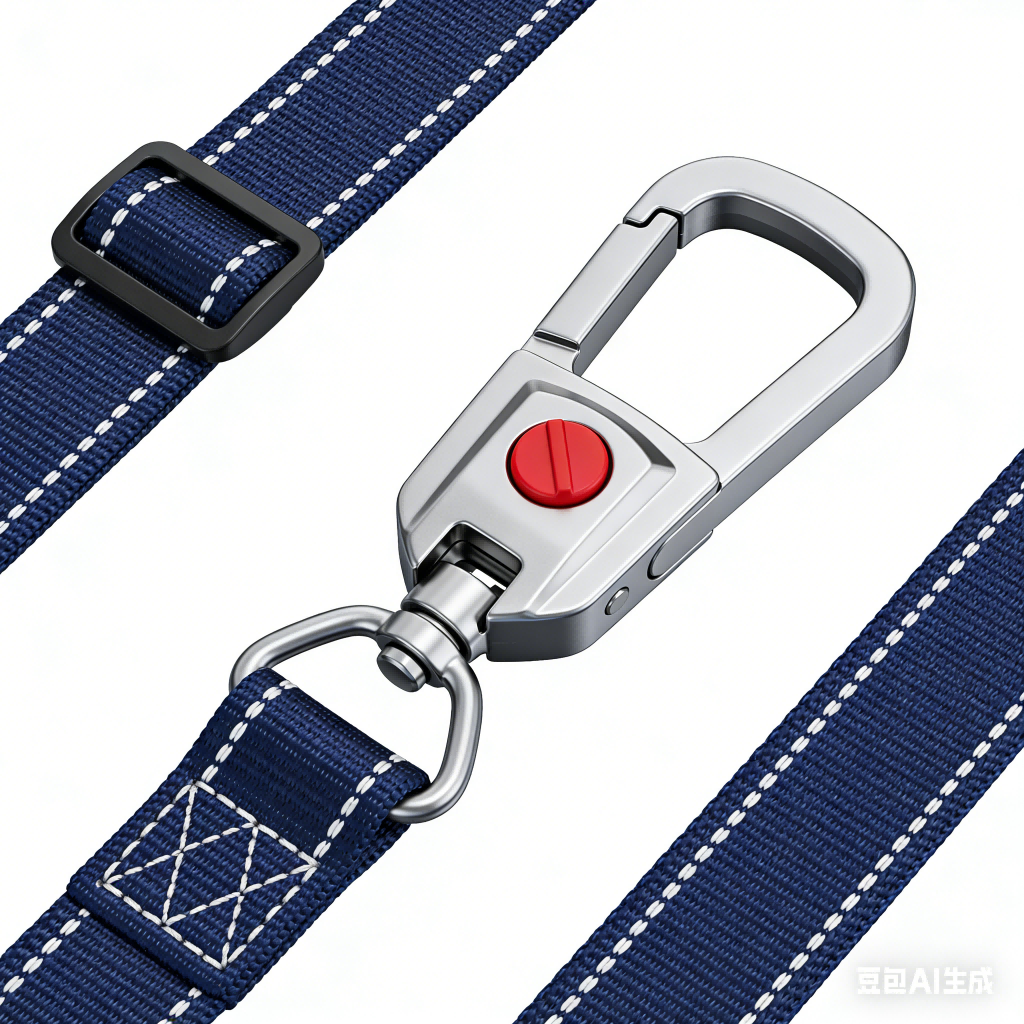
Explore how Kwonglam's KL-430D-0806HP Heavy-Duty Webbing & Strap Pattern Sewing Machine elevates thick material sewing with advanced features like a six-fold rotary hook, motor-controlled presser foot, and double rotary hook, optimizing processes for seat belts, harnesses, and cargo straps.
Heavy-Duty Webbing Sewing Solved: The KL-430D-0806HP Pattern Machine
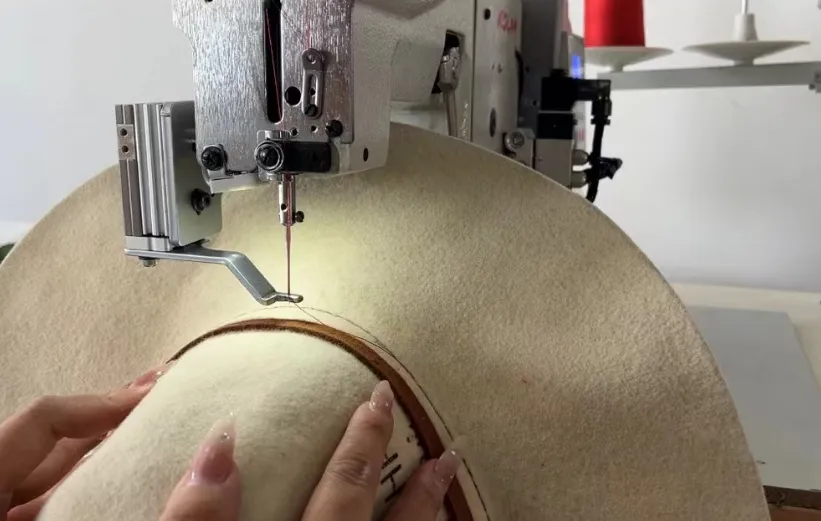
In the world of industrial sewing equipment, true value lies not in selling standard products, but in providing precise solutions. When a client approached us with a challenge in sewing cowboy hatbands, KOLAM reaffirmed its core philosophy of being "customer-centric" by transforming a universal tacking machine into the KL-3306D Electronic Special Machine for Tacking Hatbands.
Professional Customization: Sewing "Invisible" Strength for the Rugged Cowboy Hat

Kwonglam provides precise and reliable button sewing solutions for the global garment industry. Our product range covers cost-effective, fully automatic, and highly flexible machines, designed to boost efficiency and reduce costs. We empower your business success with superior stability and versatility, acting as your trusted global partner, not just an equipment supplier.
Kwonglam Global Button Sewing Solutions: Empowering Your Business Success with Precision Products and Partnership
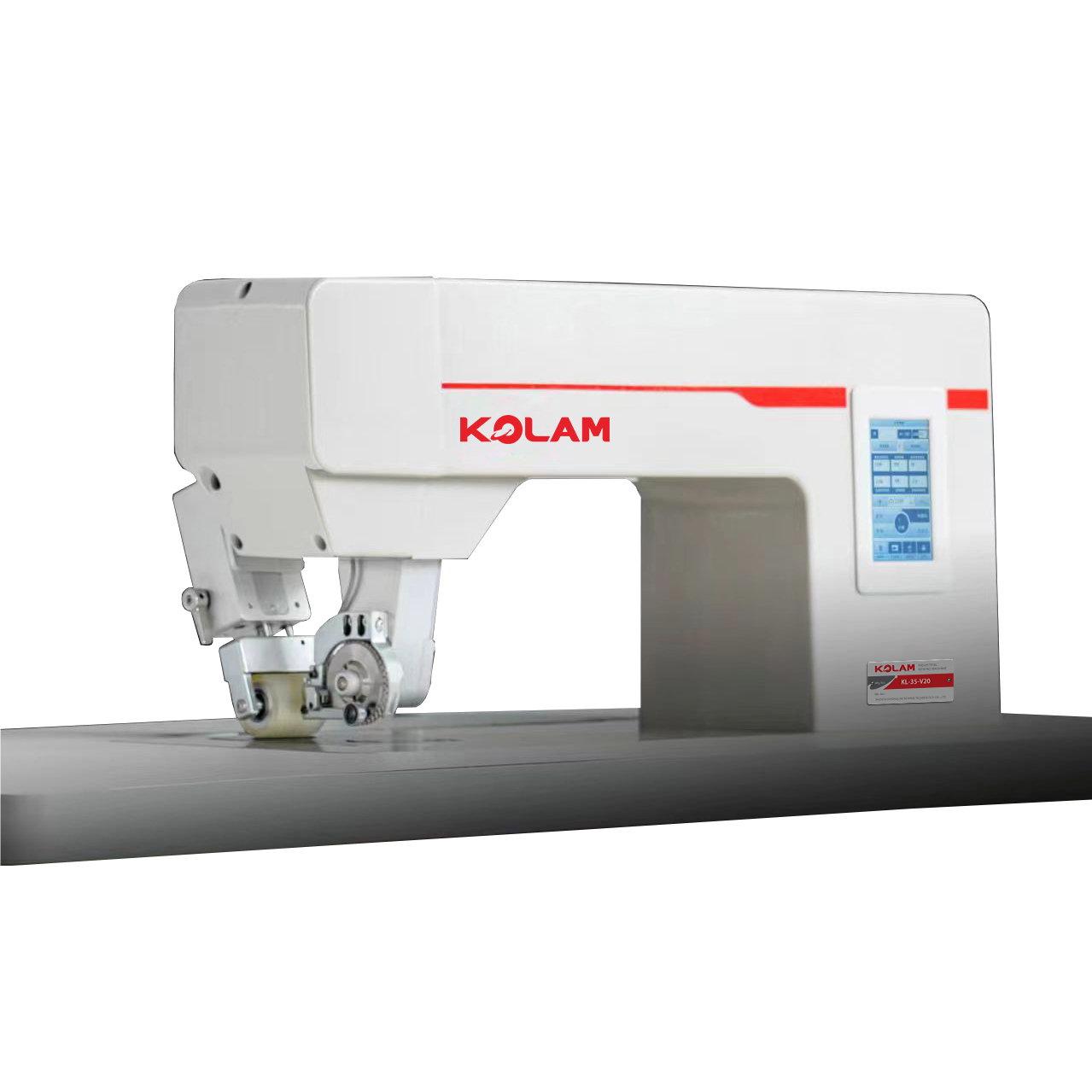
TAIZHOU KWONGLAM SEWING presents the KL35-V20 ultrasonic sewing machine – the intelligent solution for medical textiles. Ensure flawless hydrostatic protection, tensile strength, and sterile seams for surgical gowns and drapes. Explore plug-and-play, contaminant-free manufacturing.
KL35-V20 Ultrasonic Sewing Machine: Revolutionizing Medical Textiles with Intelligent Sealing Technology