
Special Sewing Machines For Clothing
author: Lily Shen
2025-02-19
In the modern clothing manufacturing industry and various textile processing fields, sewing machines are indispensable key equipment. Different types of sewing machines have their own unique tasks. Among them, lockstitch sewing machines, button sewing machines and bar tacking sewing machines play an important and irreplaceable role in the entire sewing process. They not only improve production efficiency, but also greatly improve the quality and aesthetics of the product.
Button Holing Sewing Machine
The origin of button holing sewing machines can be traced back to the 19th century. At that time, with the advancement of the industrial revolution, the textile industry flourished, and the demand for efficient fabric edge processing equipment became increasingly urgent. The early lockstitch sewing machines had a relatively simple structure and a relatively single function, mainly to meet the basic edge locking needs. Its appearance has improved production efficiency to a certain extent and reduced the burden of manual edge locking. In the 20th century, with the continuous advancement of science and technology, lockstitch sewing machines ushered in major changes. The improvement of mechanical manufacturing technology has greatly improved the stability and durability of sewing machines, and at the same time, a variety of stitch pattern designs have begun to appear to meet the needs of different fabrics. For example, the three-thread lock edge design makes the lock edge of light and thin fabrics more delicate; while the four-thread and five-thread lock edge meet the reinforcement needs of medium and thick fabrics. Entering the modern era, the integration of electronic technology and automation technology has made lock stitch sewing machines achieve a qualitative leap. The emergence of automatic trimming function not only improves the precision of cutting, but also further improves production efficiency. At the same time, through the computer control system, operators can more accurately adjust parameters such as needle spacing and stitch density to meet complex and diverse sewing needs. Nowadays, lock stitch sewing machines have become an indispensable and important equipment in the clothing and textile processing industry.
The origin of button holing sewing machines can be traced back to the 19th century. At that time, with the advancement of the industrial revolution, the textile industry flourished, and the demand for efficient fabric edge processing equipment became increasingly urgent. The early lockstitch sewing machines had a relatively simple structure and a relatively single function, mainly to meet the basic edge locking needs. Its appearance has improved production efficiency to a certain extent and reduced the burden of manual edge locking. In the 20th century, with the continuous advancement of science and technology, lockstitch sewing machines ushered in major changes. The improvement of mechanical manufacturing technology has greatly improved the stability and durability of sewing machines, and at the same time, a variety of stitch pattern designs have begun to appear to meet the needs of different fabrics. For example, the three-thread lock edge design makes the lock edge of light and thin fabrics more delicate; while the four-thread and five-thread lock edge meet the reinforcement needs of medium and thick fabrics. Entering the modern era, the integration of electronic technology and automation technology has made lock stitch sewing machines achieve a qualitative leap. The emergence of automatic trimming function not only improves the precision of cutting, but also further improves production efficiency. At the same time, through the computer control system, operators can more accurately adjust parameters such as needle spacing and stitch density to meet complex and diverse sewing needs. Nowadays, lock stitch sewing machines have become an indispensable and important equipment in the clothing and textile processing industry.



【Use】
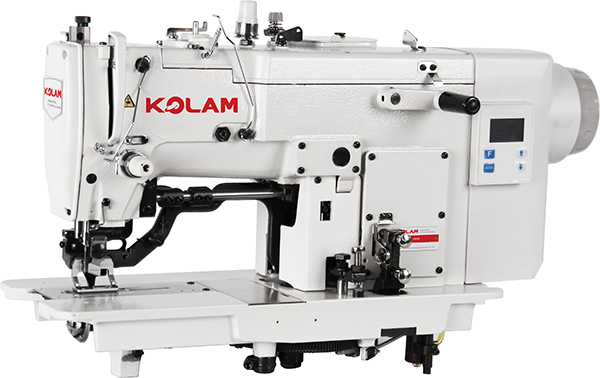
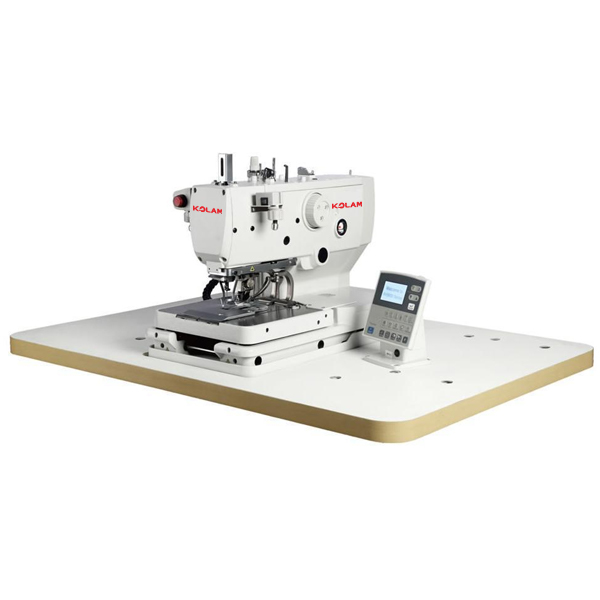
Lock stitch sewing machines, also known as lock edge machines or overlock machines, are mainly used to process the edges of fabrics. It wraps the edges of the fabrics with special stitches to prevent the fabrics from being unthreaded or loose during subsequent use and washing, thereby ensuring the overall quality and durability of clothing or textiles. At the same time, the lock stitches can also increase the beauty of the edges of the fabrics to a certain extent, making them look more delicate.
Lock stitch sewing machines, also known as lock edge machines or overlock machines, are mainly used to process the edges of fabrics. It wraps the edges of the fabrics with special stitches to prevent the fabrics from being unthreaded or loose during subsequent use and washing, thereby ensuring the overall quality and durability of clothing or textiles. At the same time, the lock stitches can also increase the beauty of the edges of the fabrics to a certain extent, making them look more delicate.


【Features】
1. Various stitches: Lockstitch sewing machines can form many different types of stitches, such as three-thread lockstitch, four-thread lockstitch, five-thread lockstitch, etc. Different stitches are suitable for fabrics of different thicknesses and materials. For example, three-thread lockstitch is suitable for light fabrics, such as silk, chiffon, etc.; four-thread lockstitch and five-thread lockstitch are more suitable for medium-thick fabrics, such as cotton, linen and some blended fabrics.
2. Trimming function: Many lockstitch sewing machines have automatic trimming function. While performing lockstitch operation, they can neatly cut off the excess edges of the fabric, making the edges more regular, reducing the subsequent trimming process, and improving production efficiency.
3. Strong adjustability: Parameters such as stitch length, stitch density, and trimming width can be flexibly adjusted according to the characteristics of the fabric and processing requirements. This high degree of adjustability enables lockstitch sewing machines to adapt to various complex sewing needs, whether it is fine hand-made or large-scale industrial production.
4. High-speed operation: In order to meet the needs of industrialized production, modern lockstitch sewing machines usually have a high speed and can complete a large amount of lockstitch work in a short time, which greatly improves production efficiency and reduces production costs.
5. Clothing manufacturing: In the process of clothing production, almost all the edges of clothing need to be locked. From underwear, shirts, pants to coats, dresses and other types of clothing, lockstitch sewing machines play an important role. For example, the cuffs, collars, hems of shirts, and the trouser legs, waists and other parts of pants need to be locked to ensure the neatness and firmness of the edges.
Home textile products: In the field of home textiles, such as sheets, quilt covers, pillowcases, curtains and other products, lockstitch sewing machines are used to process the edges of fabrics to prevent the fabrics from falling off and ensure the durability and beauty of the products. Especially for some home textile products with strong decorative features, fine lockstitch stitches can also enhance the overall quality of the products.
6. Leather product processing: Although leather is hard, lockstitch sewing machines are also suitable for edge processing of leather products. When making leather products such as leather shoes, bags, and leather clothes, lockstitching can make the edges of the leather smoother and firmer, and it can also play a certain decorative role.
1. Various stitches: Lockstitch sewing machines can form many different types of stitches, such as three-thread lockstitch, four-thread lockstitch, five-thread lockstitch, etc. Different stitches are suitable for fabrics of different thicknesses and materials. For example, three-thread lockstitch is suitable for light fabrics, such as silk, chiffon, etc.; four-thread lockstitch and five-thread lockstitch are more suitable for medium-thick fabrics, such as cotton, linen and some blended fabrics.
2. Trimming function: Many lockstitch sewing machines have automatic trimming function. While performing lockstitch operation, they can neatly cut off the excess edges of the fabric, making the edges more regular, reducing the subsequent trimming process, and improving production efficiency.
3. Strong adjustability: Parameters such as stitch length, stitch density, and trimming width can be flexibly adjusted according to the characteristics of the fabric and processing requirements. This high degree of adjustability enables lockstitch sewing machines to adapt to various complex sewing needs, whether it is fine hand-made or large-scale industrial production.
4. High-speed operation: In order to meet the needs of industrialized production, modern lockstitch sewing machines usually have a high speed and can complete a large amount of lockstitch work in a short time, which greatly improves production efficiency and reduces production costs.
5. Clothing manufacturing: In the process of clothing production, almost all the edges of clothing need to be locked. From underwear, shirts, pants to coats, dresses and other types of clothing, lockstitch sewing machines play an important role. For example, the cuffs, collars, hems of shirts, and the trouser legs, waists and other parts of pants need to be locked to ensure the neatness and firmness of the edges.
Home textile products: In the field of home textiles, such as sheets, quilt covers, pillowcases, curtains and other products, lockstitch sewing machines are used to process the edges of fabrics to prevent the fabrics from falling off and ensure the durability and beauty of the products. Especially for some home textile products with strong decorative features, fine lockstitch stitches can also enhance the overall quality of the products.
6. Leather product processing: Although leather is hard, lockstitch sewing machines are also suitable for edge processing of leather products. When making leather products such as leather shoes, bags, and leather clothes, lockstitching can make the edges of the leather smoother and firmer, and it can also play a certain decorative role.
Button Sewing Machine
The development of sewing machines for button has also gone through a long process. In the mid-19th century, with the rise of industrialized production of clothing, the demand for fast and efficient button equipment gave birth to early sewing machines for button. The machine structure at that time was relatively rough and the operation was relatively complicated. It mainly adopted a simple mechanical transmission principle and could complete the basic button sewing action, but the sewing speed and accuracy were far from modern equipment. Entering the 20th century, with the gradual improvement of mechanical manufacturing technology, the performance of sewing machines for buttoning has been significantly improved. The application of technologies such as gear transmission and connecting rod mechanism has greatly enhanced the stability and reliability of the machine, and the sewing speed has also been improved. At the same time, simple adaptation functions for different types of buttons began to appear, and operators could sew buttons of different specifications by replacing some simple parts. In the later period, the introduction of electronic technology brought revolutionary changes to sewing machines for buttoning. The electronic control system can accurately control the movement trajectory of the needle and the tension of the thread, achieving more accurate button positioning and sewing. The degree of automation has been greatly improved. The operator only needs to place the button in a specific position, and the machine can automatically complete a series of complex operations such as threading, buckling, and knotting, which greatly improves work efficiency and reduces labor costs. In recent years, with the development of intelligent manufacturing technology, button sewing machines have further moved towards intelligence and digitalization. Some high-end equipment is equipped with a visual recognition system that can automatically identify the type and position of buttons and complete the entire button sewing process without human intervention. At the same time, through the connection with the computer-aided design (CAD) system, remote control and real-time monitoring of production data can be achieved, meeting the needs of large-scale customized production.
The development of sewing machines for button has also gone through a long process. In the mid-19th century, with the rise of industrialized production of clothing, the demand for fast and efficient button equipment gave birth to early sewing machines for button. The machine structure at that time was relatively rough and the operation was relatively complicated. It mainly adopted a simple mechanical transmission principle and could complete the basic button sewing action, but the sewing speed and accuracy were far from modern equipment. Entering the 20th century, with the gradual improvement of mechanical manufacturing technology, the performance of sewing machines for buttoning has been significantly improved. The application of technologies such as gear transmission and connecting rod mechanism has greatly enhanced the stability and reliability of the machine, and the sewing speed has also been improved. At the same time, simple adaptation functions for different types of buttons began to appear, and operators could sew buttons of different specifications by replacing some simple parts. In the later period, the introduction of electronic technology brought revolutionary changes to sewing machines for buttoning. The electronic control system can accurately control the movement trajectory of the needle and the tension of the thread, achieving more accurate button positioning and sewing. The degree of automation has been greatly improved. The operator only needs to place the button in a specific position, and the machine can automatically complete a series of complex operations such as threading, buckling, and knotting, which greatly improves work efficiency and reduces labor costs. In recent years, with the development of intelligent manufacturing technology, button sewing machines have further moved towards intelligence and digitalization. Some high-end equipment is equipped with a visual recognition system that can automatically identify the type and position of buttons and complete the entire button sewing process without human intervention. At the same time, through the connection with the computer-aided design (CAD) system, remote control and real-time monitoring of production data can be achieved, meeting the needs of large-scale customized production.



【Use】
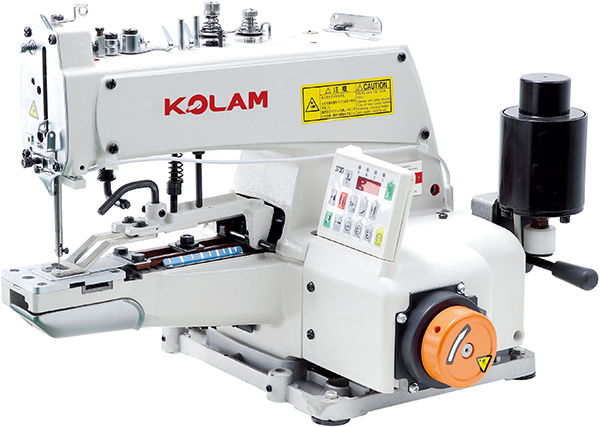
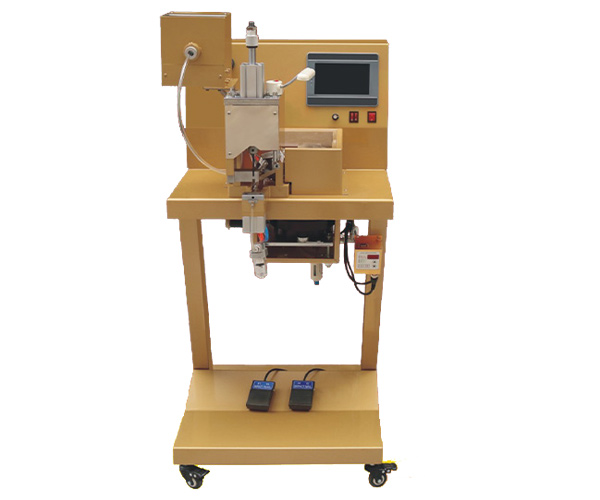
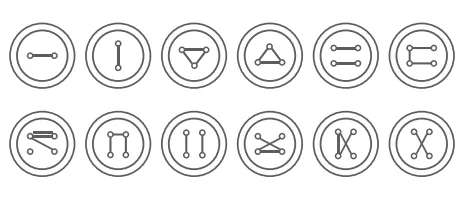
The main purpose of the button sewing machine is to fix buttons on clothing or other textiles, which is an indispensable process in the clothing production process. It can accurately and quickly sew buttons to ensure that the connection between buttons and fabrics is firm and not easy to fall off.
The main purpose of the button sewing machine is to fix buttons on clothing or other textiles, which is an indispensable process in the clothing production process. It can accurately and quickly sew buttons to ensure that the connection between buttons and fabrics is firm and not easy to fall off.
【Features】
1. High degree of automation: Most modern button sewing machines have automation functions. Just place the button in a specific position, and the machine can automatically complete a series of operations such as threading, buckling, and knotting, which greatly improves work efficiency and reduces the tediousness of manual operation.
2. Adaptation to various button types: It can adapt to buttons of different types and specifications, such as four-hole buttons, two-hole buttons, metal buttons, plastic buttons, etc. By adjusting the machine parameters and replacing the corresponding accessories, it can meet the sewing needs of various buttons.
3. Accurate positioning: The button sewing machine is equipped with a precise positioning system, which can ensure that the buttons are accurately positioned and neatly arranged during the sewing process, avoiding the situation of skewed buttons or inconsistent spacing, thereby improving the quality and aesthetics of the product.
4. Adjustable stitch length and stitch: According to the size of the button and the thickness of the fabric, the stitch length and stitch density can be flexibly adjusted to make the connection between the button and the fabric more firm, while also ensuring the beauty of the stitch.
【Application scenarios】
1. Garment manufacturing industry: In the production of various types of clothing, button sewing machines are widely used in button sewing of shirts, jackets, pants, skirts and other clothing. Whether it is casual wear for daily wear or formal wear for formal occasions, button sewing machines are indispensable.
2. Uniform customization: For the customization of uniforms, school uniforms, work clothes, etc. of enterprises and institutions, button sewing machines can ensure the consistency and firmness of button sewing to meet the needs of mass production. At the same time, its precise positioning function can ensure that the button positions on each uniform are exactly the same, which improves the overall quality of the uniform.
3. Handicraft and repair industry: In addition to large-scale industrial production, button sewing machines are also widely used in handicraft and clothing repair industries. Handicrafts can use button sewing machines to quickly and accurately sew buttons, improving the production efficiency and quality of handicrafts; in clothing repair shops, button sewing machines are used to replace damaged buttons or add new buttons to old clothes.
1. High degree of automation: Most modern button sewing machines have automation functions. Just place the button in a specific position, and the machine can automatically complete a series of operations such as threading, buckling, and knotting, which greatly improves work efficiency and reduces the tediousness of manual operation.
2. Adaptation to various button types: It can adapt to buttons of different types and specifications, such as four-hole buttons, two-hole buttons, metal buttons, plastic buttons, etc. By adjusting the machine parameters and replacing the corresponding accessories, it can meet the sewing needs of various buttons.
3. Accurate positioning: The button sewing machine is equipped with a precise positioning system, which can ensure that the buttons are accurately positioned and neatly arranged during the sewing process, avoiding the situation of skewed buttons or inconsistent spacing, thereby improving the quality and aesthetics of the product.
4. Adjustable stitch length and stitch: According to the size of the button and the thickness of the fabric, the stitch length and stitch density can be flexibly adjusted to make the connection between the button and the fabric more firm, while also ensuring the beauty of the stitch.
【Application scenarios】
1. Garment manufacturing industry: In the production of various types of clothing, button sewing machines are widely used in button sewing of shirts, jackets, pants, skirts and other clothing. Whether it is casual wear for daily wear or formal wear for formal occasions, button sewing machines are indispensable.
2. Uniform customization: For the customization of uniforms, school uniforms, work clothes, etc. of enterprises and institutions, button sewing machines can ensure the consistency and firmness of button sewing to meet the needs of mass production. At the same time, its precise positioning function can ensure that the button positions on each uniform are exactly the same, which improves the overall quality of the uniform.
3. Handicraft and repair industry: In addition to large-scale industrial production, button sewing machines are also widely used in handicraft and clothing repair industries. Handicrafts can use button sewing machines to quickly and accurately sew buttons, improving the production efficiency and quality of handicrafts; in clothing repair shops, button sewing machines are used to replace damaged buttons or add new buttons to old clothes.


Bar-Tacking Sewing Machine
The history of bartack sewing machines can be traced back to the end of the 19th century, when they were mainly used in shoe making and early clothing processing industries. The early bartack sewing machines had a simple structure and could only complete basic reinforcement functions. The sewing speed was slow and required a lot of manual operation. Its main purpose was to enhance the local strength of the fabric, prevent tearing during use, and meet the simple production needs at the time. In the 20th century, with the continuous advancement of mechanical technology, bartack sewing machines have made great improvements in structure and performance. The new transmission system and needle bar mechanism make the machine run more smoothly and the sewing speed is significantly improved. At the same time, a variety of bartack shape designs began to appear, no longer limited to simple straight bartacks, and can meet the needs of different clothing styles and textile processing. With the rise of electronic technology, bartack sewing machines have entered the era of electronic control. The electronic control system can accurately control the stitch length, stitch density and bartack shape, greatly improving the quality and stability of the bartack. Operators can easily adjust various parameters through the control panel to achieve more complex bartack processes. In recent years, with the introduction of the concept of Industry 4.0 and the development of intelligent manufacturing technology, bar tacking sewing machines have also developed rapidly in the direction of intelligence and automation. Intelligent bar tacking sewing machines have functions such as automatic detection, fault diagnosis, and remote monitoring. They can collect production data in real time and analyze them to optimize and manage the production process. Some high-end equipment is also equipped with functions such as automatic color change and automatic thread change, which further improves production efficiency and product diversity.


【Use】
Bar tacking sewing machines, also known as knotting machines, are mainly used to reinforce specific parts of fabrics, such as buttonholes, trouser loops, pocket edges, and both ends of zippers. By sewing dense stitches in these parts to form a firm knot, the local strength of the fabric is enhanced to prevent tearing or derailment due to excessive force.
Bar tacking sewing machines, also known as knotting machines, are mainly used to reinforce specific parts of fabrics, such as buttonholes, trouser loops, pocket edges, and both ends of zippers. By sewing dense stitches in these parts to form a firm knot, the local strength of the fabric is enhanced to prevent tearing or derailment due to excessive force.


【Features】
1. Strong reinforcement: Bar tacking sewing machines can sew dense and firm stitches in a short time, which significantly improves the local strength of the fabric. This strong reinforcement effect is unmatched by ordinary sewing machines, and is particularly suitable for parts that need to withstand greater tension.
2. Various tack shapes: Various tack shapes can be sewn, such as square, round, diamond, etc. Different shapes are suitable for different application scenarios and design requirements. For example, square tacks are often used to reinforce buttonholes and trouser loops, round tacks are often used to reinforce pocket edges, and diamond tacks can be used as a decorative tack method to increase the beauty of the product.
3. Fast and efficient: The tack sewing machine works at a fast speed and can complete a large number of tacks in a short time. This can effectively improve production efficiency and reduce production costs for large-scale clothing production and textile processing companies.
4. Easy to operate: Although the tack sewing machine is powerful, it is relatively easy to operate. Through simple settings and adjustments, operators can quickly get started and perform various tacks. At the same time, the machine also has functions such as automatic thread cutting and automatic presser foot lifting, which further improves the convenience of operation.
【Application scenarios】
1. Clothing production: In the process of clothing production, tack sewing machines are widely used to reinforce key parts of various types of clothing. For example, buttonholes of shirts, loops and pocket edges of jeans, and both ends of zippers of jackets all need to be reinforced by tacking to ensure that the clothing will not be damaged during daily wear and washing.
2. Bag production: In the production process of bags, tacking sewing machines are used to reinforce the connection between the straps and the bag body, the two ends of the zipper, the edges of the pockets and other parts. These parts are often subjected to large tension during use. Tacking can effectively improve the durability of bags and extend their service life.
3. Shoe manufacturing: In the production of shoes, tacking sewing machines are used to reinforce shoelace holes, the connection between the tongue and the upper, and the seam between the sole and the upper. The firmness of these parts directly affects the wearing comfort and service life of the shoes, so tacking plays a vital role in shoe manufacturing.


Although the functions of lockstitch sewing machines, button sewing machines and tacking sewing machines are different, they all play an indispensable role in the field of clothing manufacturing and textile processing. Their unique uses, functional characteristics and wide range of application scenarios not only meet the production needs of different products, but also promote the development and progress of the entire industry. With the continuous advancement of science and technology, the performance and functions of these sewing machines are also constantly improving, and they will surely play a greater role in more fields in the future.
【understand us】
Youtube://www.youtube.com/@kwonglam-2012
Facebook://www.facebook.com/kwonglamsew
Website://www.zjkwonglam.com/
All-electric three-synchronous sewing machine: an all-rounder in the field of sewing heavy materials
Unveiling the Ideal Carpet Sewing Machines for the International Market
Related Article
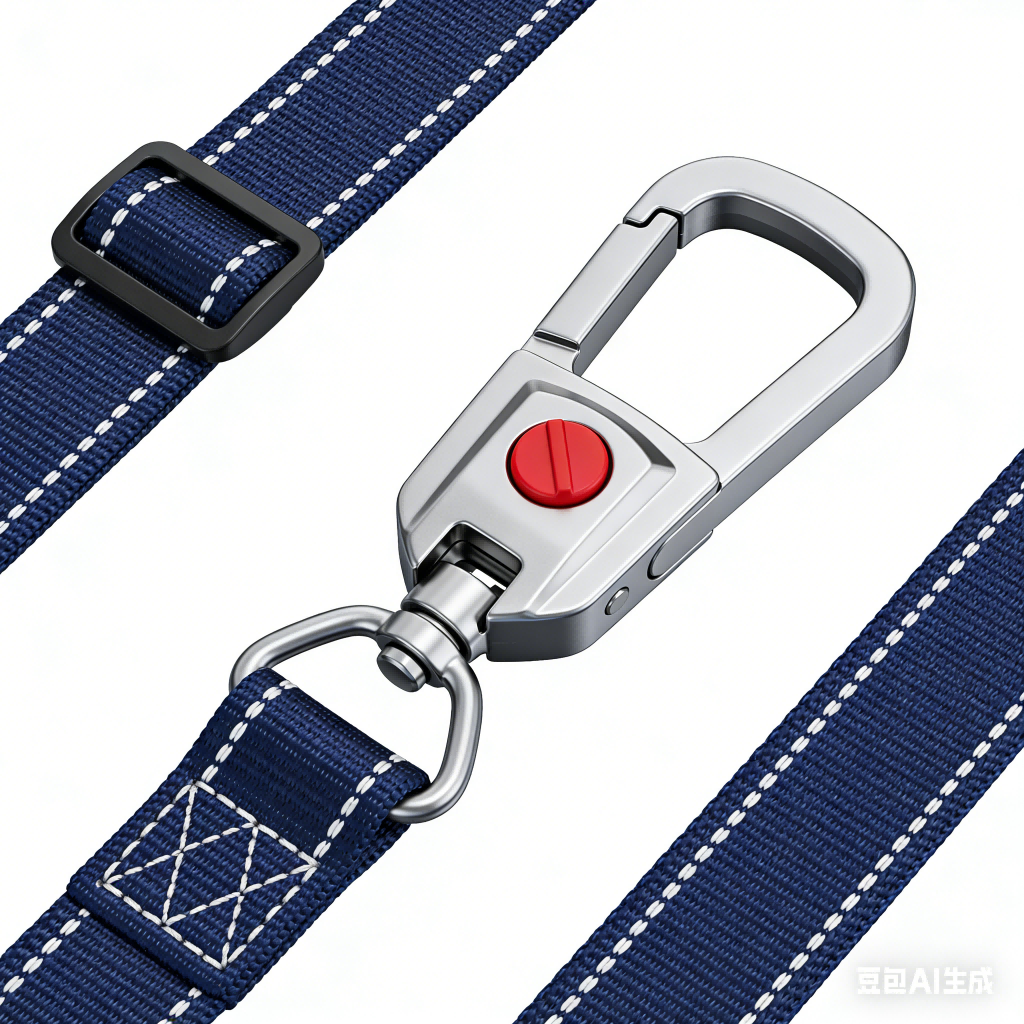
Explore how Kwonglam's KL-430D-0806HP Heavy-Duty Webbing & Strap Pattern Sewing Machine elevates thick material sewing with advanced features like a six-fold rotary hook, motor-controlled presser foot, and double rotary hook, optimizing processes for seat belts, harnesses, and cargo straps.
Heavy-Duty Webbing Sewing Solved: The KL-430D-0806HP Pattern Machine
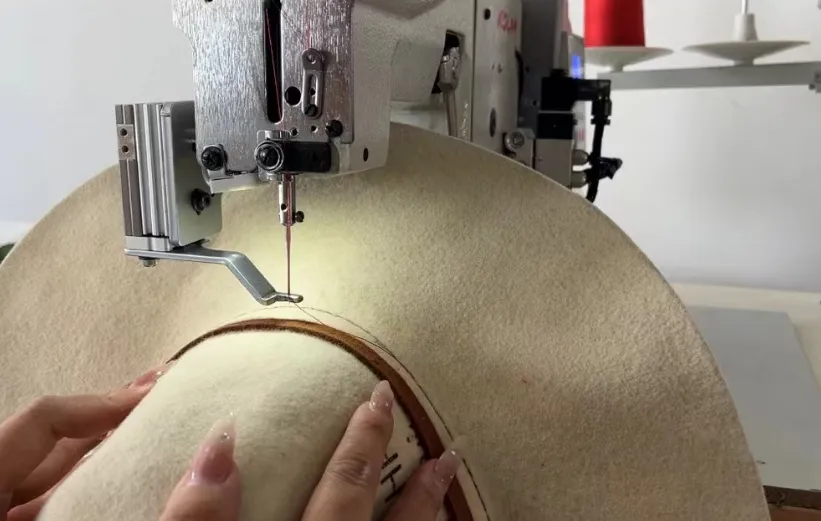
In the world of industrial sewing equipment, true value lies not in selling standard products, but in providing precise solutions. When a client approached us with a challenge in sewing cowboy hatbands, KOLAM reaffirmed its core philosophy of being "customer-centric" by transforming a universal tacking machine into the KL-3306D Electronic Special Machine for Tacking Hatbands.
Professional Customization: Sewing "Invisible" Strength for the Rugged Cowboy Hat

Kwonglam provides precise and reliable button sewing solutions for the global garment industry. Our product range covers cost-effective, fully automatic, and highly flexible machines, designed to boost efficiency and reduce costs. We empower your business success with superior stability and versatility, acting as your trusted global partner, not just an equipment supplier.
Kwonglam Global Button Sewing Solutions: Empowering Your Business Success with Precision Products and Partnership
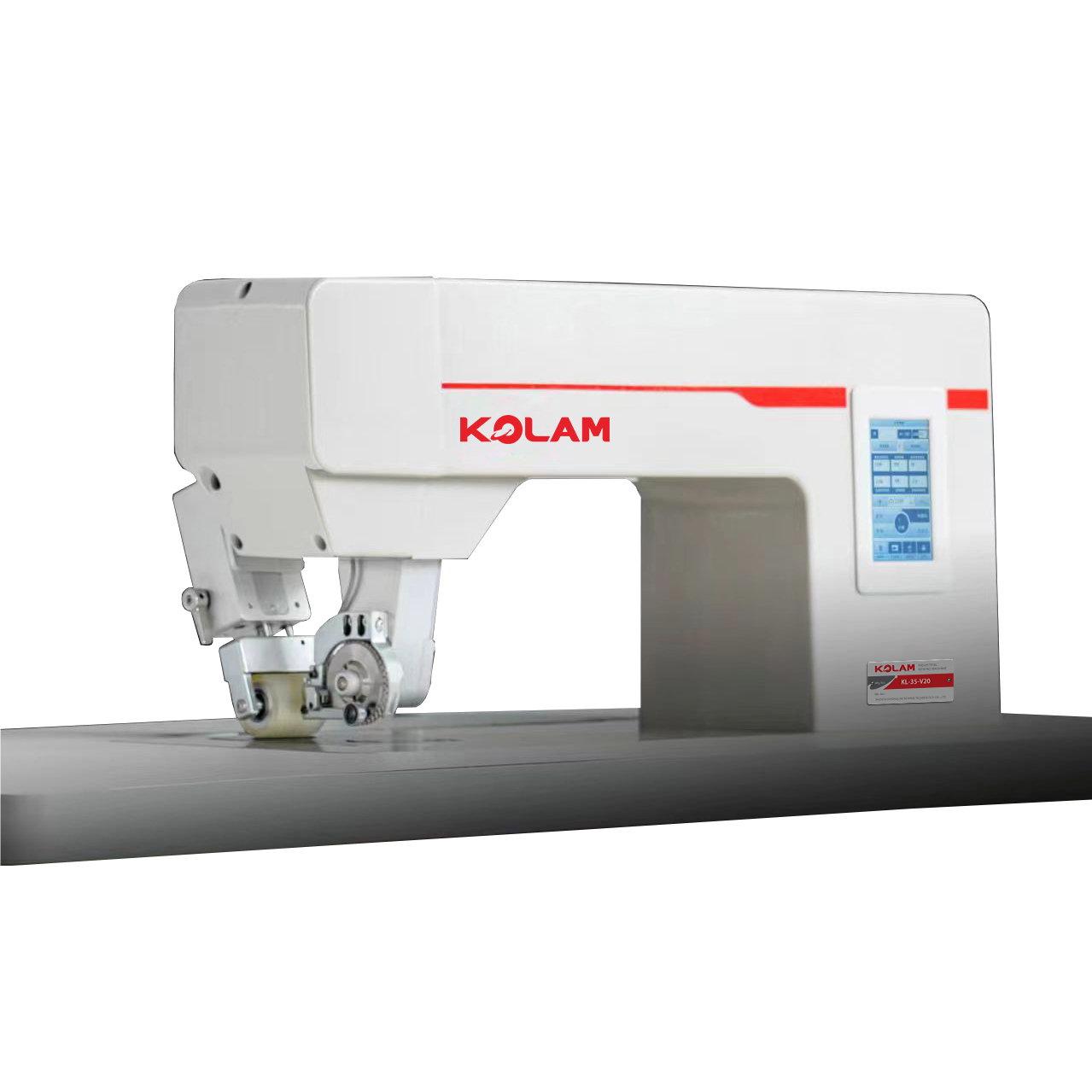
TAIZHOU KWONGLAM SEWING presents the KL35-V20 ultrasonic sewing machine – the intelligent solution for medical textiles. Ensure flawless hydrostatic protection, tensile strength, and sterile seams for surgical gowns and drapes. Explore plug-and-play, contaminant-free manufacturing.
KL35-V20 Ultrasonic Sewing Machine: Revolutionizing Medical Textiles with Intelligent Sealing Technology